The Perfect Present Problem: Navigating the Minefield of Buying DVDs for British Film Lovers
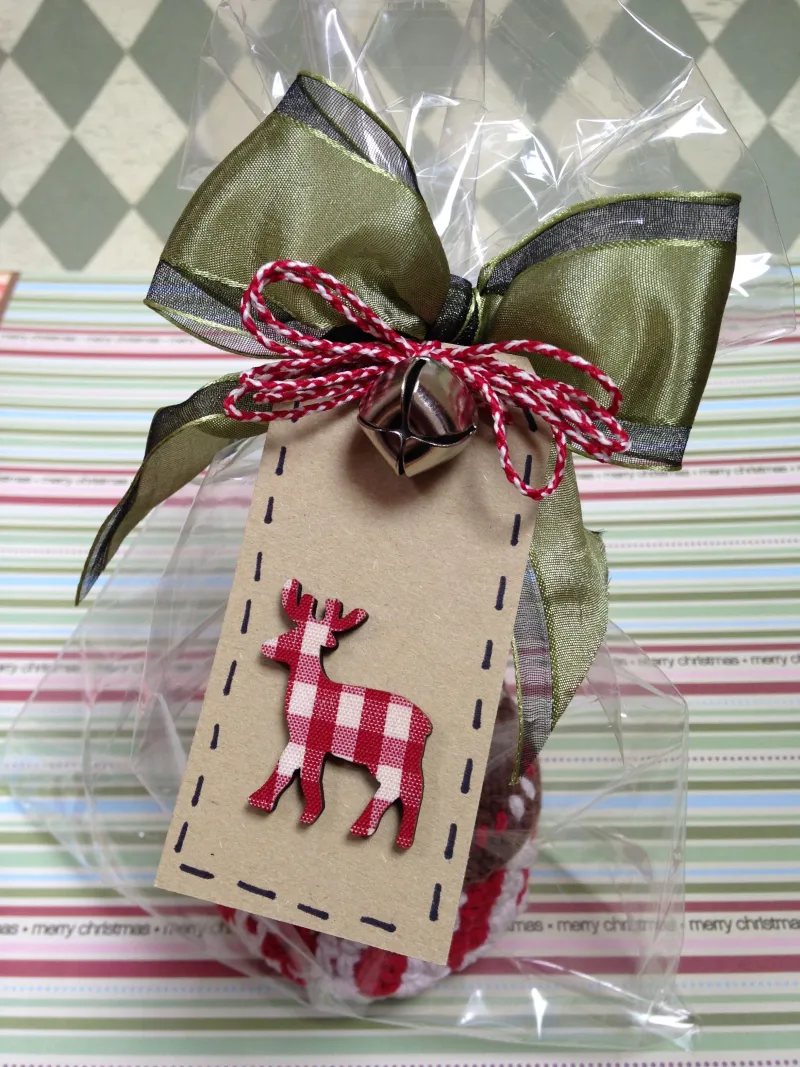
Photo: DVD gift wrapping Christmas present film collection UK living room, via s-media-cache-ak0.pinimg.com
It starts, as so many British anxieties do, with a queue. You're standing in a shop — or more likely these days, hovering over a browser tab — and you've spotted what looks like the ideal gift. A film you know they love, in a lovely edition, at a price that feels appropriately generous without being ostentatious. You're about to click add to basket. And then the doubt arrives.
Do they already own it? Is this the good version or the rubbish one with no extras? Is that a Region 1 disc? Should you have gone boutique? Is boutique too much — will it seem like you're showing off? Will they think you bought it for yourself?
Welcome to the peculiarly British tradition of the film gift — a ritual that manages to combine genuine warmth with a level of social anxiety that is, frankly, impressive.
Why DVDs Make Perfect — and Perfectly Fraught — Gifts
Physical media has always occupied a special place in British gift culture, and films particularly so. There's something about a disc that feels considered in a way that, say, a gift card doesn't. It says: I thought about you. I thought about what you love. I thought about this specific thing and decided it was right for you.
When it works, it's a wonderful thing. The right film, in the right edition, given at the right moment, can feel like an act of genuine understanding. Collectors remember these gifts. They can often tell you exactly who gave them a particular disc and why it mattered.
But when it goes wrong — and it can go wrong in so many specific, painful ways — the aftermath lingers in a very British fashion. Nobody says anything. The duplicate disc is quietly moved to a drawer. The giver is never told. And yet somehow everyone knows.
The Duplicate Disaster
Let's begin with the most common catastrophe: buying someone a film they already own. This is, in normal gift-giving terms, a fairly recoverable situation. With DVDs, it's complicated by the fact that serious collectors often own multiple editions of the same film, and the question of whether the new arrival constitutes a duplicate depends on nuances that the giver almost certainly didn't anticipate.
Buy your film-loving uncle a copy of Lawrence of Arabia and you might discover he owns the original release, the anniversary edition, the Blu-ray, and has been waiting specifically for a particular 4K restoration to materialise. Your well-intentioned standard DVD is not a duplicate exactly — but it's not quite right either, and now there's a whole conversation to navigate.
 Photo: Lawrence of Arabia, via www.thoughtco.com
The safest strategy here, if you're buying for a genuine collector, is reconnaissance. Ask their partner. Check their shelves when you visit. Or — and this requires a certain boldness — just ask them what they want. British social convention suggests this is somehow less romantic than a surprise, but it reliably produces better results.
The Edition Question
Assume you've successfully established that your target doesn't own a particular film. The next challenge is working out which edition to buy, and this is where things get genuinely complicated.
For casual viewers, any decent release will do. But if you're buying for someone who cares — who talks about transfers and booklets and aspect ratios at dinner — then the edition matters enormously, and getting it wrong carries real social weight.
The broad principle is: when in doubt, go boutique. A BFI, Eureka, or Arrow release will almost always be warmly received, even if the recipient already owns a lesser edition. These releases communicate that you understand what they value. They signal effort. They say: I didn't just grab the first thing I saw on a supermarket shelf.
That said, boutique releases can feel presumptuous if you're not sure of the relationship. Presenting someone with a £40 limited edition slipcase when you're not close enough to know their taste is its own kind of social miscalculation. There's a middle ground — a good Blu-ray with decent extras, from a reputable label, at a reasonable price — that serves most gifting situations well.
The Region Code Trap
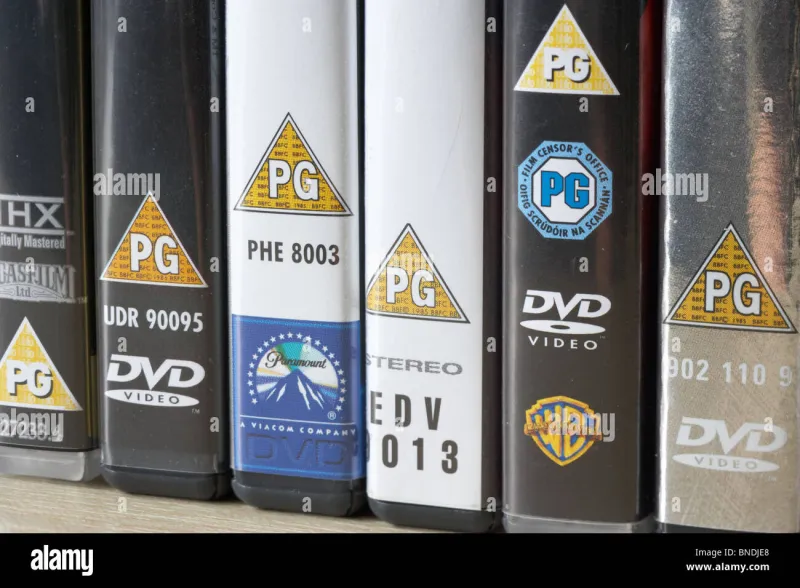
This one catches people out more than you'd expect. If you've spotted a beautiful edition of a film online and the price seems suspiciously reasonable, check the region before you buy. A Region 1 disc — pressed for the American market — won't play on a standard UK player, and while many collectors own multi-region players, you cannot assume this.
Similarly, if you're buying from a marketplace seller rather than a dedicated retailer, check that what you're buying is what it appears to be. Bootlegs exist. Misleading listings exist. The heartbreak of unwrapping what looks like a gorgeous edition and discovering it's a burned disc in a printed sleeve is not a Christmas morning anyone deserves.
Buying from a trusted retailer — somewhere that knows its stock — removes most of this risk. It's one of the genuinely good arguments for shopping with specialists rather than relying entirely on the big marketplaces.
The Unspoken Language of the Film Gift
Beyond the practical considerations, there's something worth acknowledging about what a well-chosen film gift actually communicates. It's a form of saying: I see you. I know what you love. I paid attention.
Give someone Kes because you know they grew up in Yorkshire and feel a complicated pride about it. Give someone The Long Good Friday because they've been banging on about Bob Hoskins for months. Give someone the BFI's edition of Went the Day Well? because they're the kind of person who watches wartime films on Sunday afternoons and finds them genuinely moving.
 Photo: Bob Hoskins, via pics.filmaffinity.com
These are not just presents. They're acknowledgements. And in the quietly expressive tradition of British gift-giving — where we often struggle to say the big things directly — a perfectly chosen disc can carry more meaning than a birthday card ever could.
Just, for everyone's sake, check the region code first.