When the Clock Strikes Twelve: Britain's Brutal Battle for Numbered DVD Editions

The Witching Hour of Collecting
Across Britain, alarm clocks are set for 11:59 PM. Browsers are refreshed obsessively. Credit card details sit copied in clipboards, ready to paste at lightning speed. This isn't some Black Friday sale or concert ticket release – this is the modern reality of limited edition DVD collecting, where boutique labels have weaponised scarcity to create the most ruthless collecting environment British cinema enthusiasts have ever known.
When Arrow Video announces a 500-copy steelbook, or when Indicator drops a numbered edition of an obscure British New Wave film, the gloves come off. These aren't casual purchases – they're military operations requiring precision timing, multiple backup payment methods, and the emotional resilience to handle inevitable disappointment.
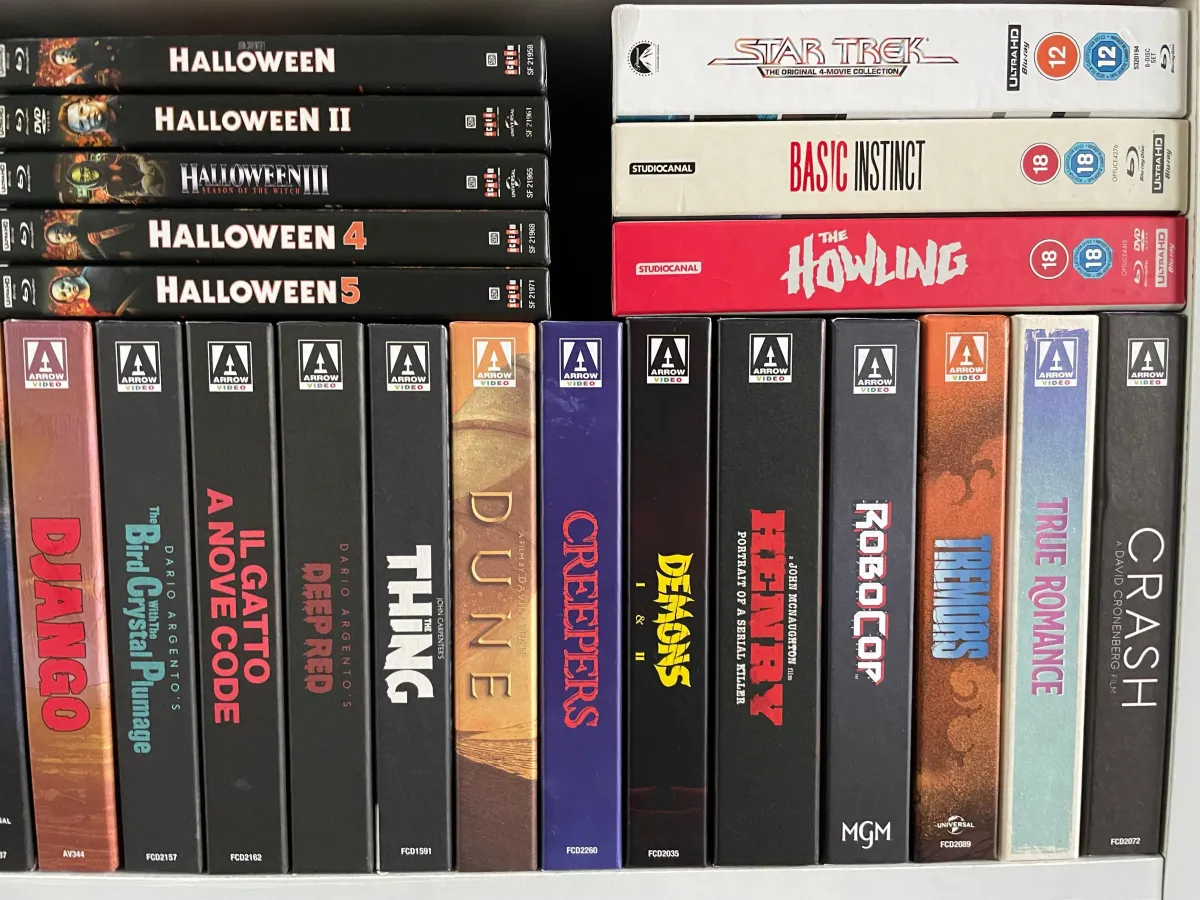 Photo: Arrow Video, via i.redd.it
The Psychology of the Press
"It's not really about the film anymore," admits Sarah Chen, a Manchester-based collector who's successfully secured 47 limited pressings over the past three years. "Half the titles I buy, I've never even seen. But when something's limited to 300 copies worldwide, your brain just switches into acquisition mode."
This psychological shift has fundamentally altered how British collectors approach their hobby. Where previous generations built libraries based on personal taste and cinematic passion, today's hunters are driven by availability windows measured in minutes, not months.
Dr. Rebecca Walsh, who studies consumer behaviour at Leeds University, explains the phenomenon: "Limited edition releases trigger our most primal collecting instincts. The fear of missing out combines with the satisfaction of exclusivity to create an almost addictive purchasing pattern. These collectors aren't buying films – they're buying membership to an exclusive club."
 Photo: Leeds University, via c8.alamy.com
The Label Perspective
Boutique distributors didn't stumble into this model accidentally. Kevin Lambert, acquisitions manager at a prominent UK specialty label, reveals the business logic behind midnight mayhem: "We learned that collectors value exclusivity above almost everything else. A standard release might sell 2,000 copies over six months. A 500-copy limited edition sells out in twenty minutes and generates three times the profit margin."
The numbers are staggering. Limited editions typically retail for £35-50, compared to £15-20 for standard releases. Yet demand consistently outstrips supply, creating secondary markets where successful midnight raiders flip copies for £100-200 within hours.
"We're not trying to be cruel," Lambert continues. "But scarcity creates genuine value. These editions become investment pieces, conversation starters, trophies. Standard releases just sit on shelves."
Battle Scars and War Stories
The collecting community has developed its own folklore around midnight releases. Tales of website crashes, payment failures, and the crushing disappointment of 'cart abandonment' – when items disappear from shopping baskets during checkout – are shared like war stories.
Mark Thompson, a Leeds collector, describes his most painful near-miss: "I had the Hammer Horror boxset in my basket. Took literally forty-five seconds to complete checkout. Sold out. Forty-five seconds. I'd been waiting eight months for that release."
These failures aren't just commercial disappointments – they're personal defeats that can haunt collectors for years. Thompson eventually acquired his coveted boxset from a reseller, paying triple the original price.
The Infrastructure of Obsession
Serious limited edition hunters have developed sophisticated strategies that would impress military tacticians. Multiple devices running different browsers, backup payment methods across various cards, even coordination with fellow collectors for mutual assistance.
"I've got three laptops, two phones, and my tablet all ready to go," explains Janet Morrison, a Glasgow collector who's never missed a target release. "Different email addresses, different payment methods, different delivery addresses. You can't rely on one avenue."
Some collectors maintain detailed spreadsheets tracking upcoming releases, monitoring social media for hints about announcement timing, and even analysing past patterns to predict future drops.
The Cost of Victory
Success in the limited edition game demands more than money – it requires lifestyle adjustments that border on the obsessive. Collectors plan holidays around release schedules, set multiple alarms for overseas drops, and maintain constant vigilance across dozens of distributor websites.
"My wife thinks I'm insane," laughs Birmingham collector David Park. "But she doesn't understand the satisfaction of securing something only 499 other people worldwide will own. It's not about showing off – it's about being part of something exclusive."
The financial commitment is substantial. Serious limited edition collectors typically spend £200-500 monthly on midnight releases alone, often purchasing films they've never seen simply because they're scarce.
Digital Natives, Physical Obsessions
Perhaps most surprisingly, many midnight raiders are under thirty – digital natives who theoretically should embrace streaming's convenience. Yet they've become the most dedicated physical media evangelists.
"Streaming is background noise," argues 24-year-old collector Emma Rodriguez. "These limited editions are statements. When I own number 247 of 500, that's permanent. That's real ownership in a world of temporary access."
The Future of Midnight Madness
As boutique labels continue pushing scarcity to extremes – some now releasing editions limited to just 100 copies – the midnight pressing phenomenon shows no signs of cooling. If anything, it's intensifying, with collectors becoming more strategic, more obsessive, and more willing to pay premium prices for exclusivity.
Whether this represents the evolution of collecting culture or its corruption remains hotly debated within the community. What's undeniable is that midnight has become the most important hour in British DVD collecting – the moment when dedication, preparation, and pure luck determine who joins the exclusive club and who's left refreshing sold-out product pages until dawn.