Dreams Made Real: The Fan Artists Crafting the DVD Releases That Never Were
The Art of Impossible Dreams
In spare bedrooms across Britain, an extraordinary phenomenon is taking place. Armed with nothing more than Photoshop skills and an encyclopaedic knowledge of British television history, a community of passionate fans are designing DVD releases for shows that have never seen the light of day on physical media — and probably never will.
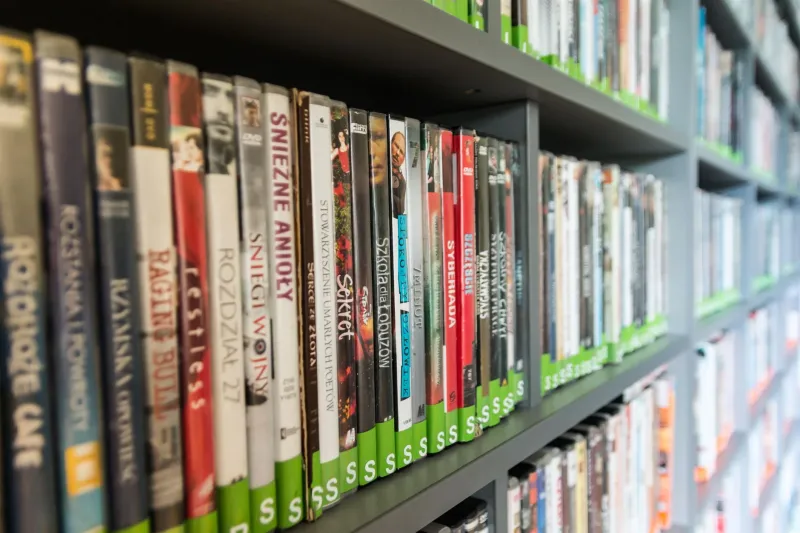
These aren't crude fan mockups thrown together in an afternoon. These are meticulously researched, professionally executed designs that could sit comfortably on any retailer's shelf. The attention to detail is staggering: period-appropriate fonts, authentic BBFC certificates, even mock barcode systems that mirror real retail practices.
The irony is delicious: while major distributors claim there's no market for physical releases of classic British television, fans are investing hundreds of hours creating artwork for the very releases they insist can't exist.
The Craft Behind the Dreams
Creating convincing DVD artwork requires skills that extend far beyond basic graphic design. The most respected fan artists have become amateur historians, researching broadcast dates, episode guides, and production credits with the dedication of academic scholars.
"When I designed the mock box set for 'Crossroads,' I spent three months just researching the show's broadcast history," explains Cardiff-based designer Emma Watson (not the actress). "I needed to understand which episodes survived, what the original transmission quality was like, and how a real distributor might approach packaging 4,500 episodes of soap opera."
The technical challenges are immense. Fan artists must master the subtle differences between DVD and Blu-ray packaging standards, understand the legal requirements for BBFC certification displays, and create designs that feel authentic to specific time periods. A mock release of a 1970s sitcom requires different design sensibilities than a 1990s drama.
The most accomplished artists have developed signature styles that fellow collectors can identify at a glance. Some specialise in the clean, minimalist aesthetics of boutique labels like BFI. Others perfect the mainstream commercial appeal of major studio releases. The best can switch between styles depending on what a particular show demands.
The Community That Never Sleeps
Online forums dedicated to fan-created DVD artwork buzz with activity 24/7. Members share works-in-progress, debate design choices, and collaborate on ambitious projects that might take months to complete. The standards are surprisingly high — mediocre work is politely but firmly critiqued, pushing artists to continuously improve their craft.
"It's like having access to a design school that specialises exclusively in entertainment packaging," notes Manchester artist David Kumar. "Everyone's working on passion projects, so the feedback is incredibly honest and constructive."
 Photo: David Kumar, via profile-images.xing.com
The community has developed its own internal economy. Experienced artists mentor newcomers, sharing techniques for creating convincing disc art, spine designs, and even mock promotional materials. Some collaborations result in complete "releases" that include detailed episode guides, cast biographies, and even fake extras menus.
Certain shows have become community obsessions, with multiple artists creating competing visions for the same hypothetical release. "Doctor Who" missing episodes, lost BBC sitcoms, and regional television programmes that never made it beyond their original broadcast areas are particular favourites.
When Fantasy Meets Reality
The quality of fan-created artwork has reached such professional standards that it's begun attracting attention from actual distributors. Several boutique labels have reportedly used fan designs as reference material when considering real releases, and at least one major DVD artwork has been directly inspired by a fan creation.
"We've had enquiries from distributors who've seen our work online," admits London-based artist Sarah Mills. "They want to know if we'd be interested in creating real packaging for actual releases. It's surreal — we started doing this because the releases didn't exist, and now we might help create them."
 Photo: Sarah Mills, via api.rcotss-ip.org.uk
The legal implications are fascinating and largely untested. Fan artists carefully avoid using copyrighted promotional materials, instead creating original photography and illustrations that capture the essence of shows without infringing on existing rights. Some work exclusively with public domain images or commission original artwork from fellow fans.
This careful approach to copyright has created an unexpected side effect: many fan-designed releases look more distinctive and creative than their official counterparts. Freed from the constraints of using existing promotional materials, artists can develop completely original visual identities for classic shows.
The Shows That Haunt Collectors' Dreams
Certain programmes have achieved legendary status among fan artists. "Play for Today" — the BBC's groundbreaking anthology series — has inspired dozens of mock box set designs, each attempting to solve the seemingly impossible challenge of packaging 300+ individual dramas into a coherent collection.
Lost or partially surviving shows present particular challenges. How do you create packaging for episodes that no longer exist? Some artists include detailed documentation about what's missing, turning their designs into historical records of television's fragile legacy.
Regional programming provides another rich vein of inspiration. Shows like "Crown Court" or "Crossroads" that were massive hits in their day but have been largely forgotten by mainstream distributors become passion projects for artists determined to preserve their memory in hypothetical physical form.
Beyond Nostalgia: A Cultural Mission
What drives someone to spend weeks perfecting the spine design for a DVD release that will never exist? For many fan artists, it's about more than personal nostalgia — it's about cultural preservation and advocacy.
"Every mock-up I create is essentially a business proposal," explains Yorkshire artist Tom Bradford. "I'm demonstrating that there's enough material for a proper release, showing how it might be packaged, and proving that fans care enough to invest serious time in celebrating these shows."
Some artists have begun approaching their work as speculative archaeology — imagining how future media historians might package and present television from our era. Their designs become time capsules, preserving not just the shows themselves but contemporary attitudes about how classic television should be presented and valued.
The fan DVD art community represents something uniquely British: a peculiar combination of creative passion, historical preservation, and stubborn refusal to accept that beloved programmes should simply vanish into digital ether. In their spare bedrooms and home offices, these dedicated artists are keeping alive the dream that every show — no matter how obscure or commercially unviable — deserves the dignity of proper physical presentation.
Their shelves may be filled with releases that exist only in imagination, but their passion is absolutely real.