Small Hands, Big Collections: Britain's Young Physical Media Revolution
Saturday Morning Treasures
At 7 AM on a drizzly Saturday in Hertfordshire, eight-year-old Sophie Matthews is already dressed and ready for what she calls 'treasure hunting day.' While her classmates sleep in or scroll through tablets, Sophie and her father Martin are heading to their local car boot sale – not for toys or clothes, but for DVDs to add to her rapidly growing bedroom collection.
"She's got better eyes for bargains than I do," chuckles Martin, watching Sophie expertly rifle through a box of mixed media. "Last month she spotted a first edition Harry Potter DVD set for two pounds. The seller had no idea what they were letting go."
Sophie's story isn't unique. Across Britain, a quiet revolution is taking place in family living rooms and children's bedrooms. Parents who grew up with physical media are deliberately introducing their children to the rituals of collecting, hunting, and owning films and television programmes on disc.
The Anti-Algorithm Generation
For these families, physical media represents more than nostalgia – it's an active rebellion against algorithmic culture. While streaming services decide what children should watch based on viewing data and engagement metrics, physical collections offer genuine choice and serendipitous discovery.
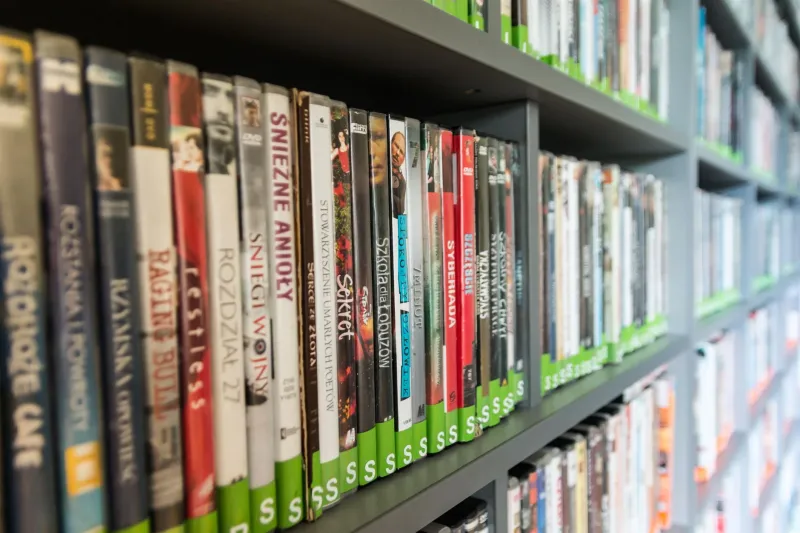
"Netflix shows my daughter the same three types of films over and over," explains Sarah Chen, mother of ten-year-old Emma in Birmingham. "But when she browses our DVD shelves, she might pick up a Studio Ghibli film, a classic Disney, or something completely unexpected. That's how you develop real taste, not by following an algorithm."
The Chen family's approach is methodical. Every Saturday, they visit charity shops together, teaching Emma to spot quality releases, understand different distributors, and recognise special editions. Emma has developed her own collecting focus: animated films with superior packaging.
"I like the ones with shiny covers," Emma explains, showing off her prized copy of "Spirited Away" in a limited edition steelbook. "And I can watch them whenever I want, even when the internet's broken."
Building Tomorrow's Curators
These young collectors aren't simply accumulating discs – they're developing sophisticated understanding of film history, technical quality, and cultural value. Twelve-year-old James Morrison from Glasgow can identify different DVD regions, explain the importance of director's cuts, and has strong opinions about cover art quality.
"James knows more about film restoration than most adults," admits his mother Janet. "He researches every purchase, reads reviews, compares different editions. It's teaching him critical thinking in ways school never could."
James's collection reflects serious curatorial instincts. Rather than grabbing everything available, he focuses on British television comedies, particularly classic series that aren't available on streaming platforms. His pride and joy is a complete set of "Fawlty Towers" episodes, acquired piece by piece over eighteen months.
"Streaming doesn't have everything," James observes with the confidence of someone who's done the research. "If you want to watch proper British comedy, you need to own it yourself."
The Ritual of Ownership
For these families, the act of watching films together from physical media has become almost ceremonial. There's deliberate intention in selecting a disc, appreciating the cover art, navigating menus, and experiencing special features together.
"It's completely different from clicking 'play' on Netflix," explains David Park, father of twins Lucy and Oliver in Manchester. "When we choose a DVD for family film night, we're making a commitment. We're going to watch this film properly, without distractions, without the temptation to switch to something else."
The Park family's Saturday evening ritual involves each family member taking turns to select films from their shared collection. The children have learned to consider mood, season, and even weather when making selections – skills that streaming's endless scroll never teaches.
Young Entrepreneurs in Action
Some young collectors have transformed their hobby into genuine entrepreneurship. Fourteen-year-old Marcus Webb from Bristol runs a small business buying and selling DVDs at local markets, having learned to spot undervalued releases that he can flip for profit.
"Marcus has an eye for rarities that amazes stallholders twice his age," reports his father Tim. "He found a sealed copy of 'Life on Mars' series one for fifty pence and sold it online for twenty-five pounds. He's funding his entire collection through trading."
Marcus's success stems from understanding that certain releases become valuable due to licensing issues, distributor changes, or simple scarcity. His bedroom doubles as a small warehouse, with carefully catalogued inventory and a growing eBay reputation.
"Adults underestimate kids at car boot sales," Marcus explains with entrepreneurial wisdom. "They think we're just buying random stuff, so they give us better prices. But I know what I'm looking for."
Educational Benefits
Teachers and child development experts are beginning to recognise the educational value of physical media collecting. The hobby combines research skills, financial literacy, historical awareness, and cultural appreciation in ways that purely digital consumption cannot match.
"Children who collect physical media demonstrate superior understanding of film as an art form," observes Dr. Rebecca Walsh, who studies media consumption at Leeds University. "They understand technical concepts like aspect ratios, appreciate the work that goes into special features, and develop genuine expertise in their chosen areas."
The research skills required for serious collecting – comparing different releases, understanding distribution history, evaluating packaging quality – mirror academic research methods in miniature.
Challenges and Criticisms
Not everyone supports the movement toward young physical media collectors. Some critics argue that parents are imposing outdated preferences on children who would naturally gravitate toward digital solutions.
"You're fighting the tide of technological progress," argues streaming advocate Dr. Michael Thompson. "These children will grow up in a world where ownership is increasingly irrelevant. Teaching them to hoard physical objects seems counterproductive."
Practical challenges also exist. Young collectors need storage space, protection from damage, and guidance to avoid age-inappropriate content. The hobby requires parental involvement that busy families might struggle to maintain.
The Community Connection
Perhaps most importantly, young physical media collectors are connecting with older enthusiasts in ways that purely digital hobbies cannot facilitate. At car boot sales, charity shops, and specialist stores, children interact with collectors of all ages, learning from experience and contributing fresh perspectives.
"The collecting community has embraced these young enthusiasts," observes collector Patricia Henley. "We see them as the future of physical media. They're not just buying our old collections – they're continuing our traditions."
Looking Forward
As these young collectors mature, they're likely to become the most sophisticated physical media enthusiasts Britain has ever produced. Raised with understanding of both digital convenience and physical ownership, they can make informed choices about what deserves permanent places in their collections.
"My daughter will grow up understanding that not everything needs to be owned," reflects Sarah Chen. "But she'll also know that some things are worth keeping forever. That's a valuable lesson in any format."
Whether this generation will maintain their physical media passion into adulthood remains to be seen. But for now, across Britain, small hands are carefully placing DVDs on bedroom shelves, building collections that represent not just entertainment choices, but cultural values passed from one generation to the next.