Disc Discovery: How a New Generation of British Collectors Fell for Physical Media All Over Again
The conventional wisdom went something like this: streaming arrived, young people embraced it enthusiastically, and physical media became the preserve of older collectors who hadn't quite caught up with the times. Tidy narrative. Plausible. Also, increasingly, wrong.
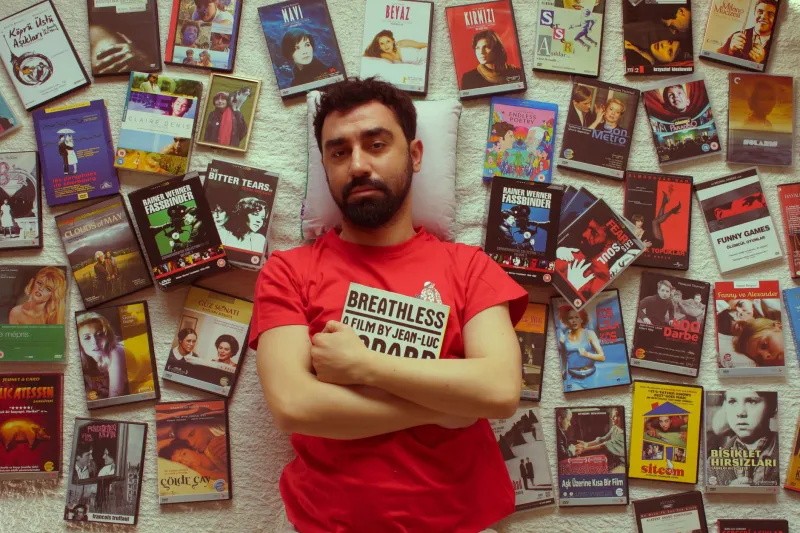
Spend any time in DVD collecting communities — online or in person — and you'll notice something that doesn't quite fit the received story. There are young people here. Lots of them. Not confused older teenagers who haven't discovered Netflix, but genuinely engaged collectors in their twenties and early thirties who have made a deliberate, considered choice to build physical libraries in the middle of the streaming era.
So what's actually going on?
The Streaming Generation Pushes Back
Jade is 24 and works in graphic design in Bristol. She started buying DVDs seriously about two years ago, after a streaming service removed a film she'd been planning to watch for months.
"I'd seen it on there, thought I'll watch that soon, and then one day it was just gone," she says. "No warning, no explanation. And that was the moment I thought — I actually don't own any of the things I watch. Any of it. That felt genuinely weird when I actually sat with it."
The experience she describes is common among younger collectors. The frustration isn't nostalgia — most of them were children or teenagers when DVD was dominant, so there's no golden age they're trying to recapture. It's something more contemporary: a dawning awareness that subscription culture has reframed ownership as an unnecessary expense, and a growing suspicion that this reframing serves the platforms rather than the viewers.
"You're paying monthly to access a library that changes without your input," says Marcus, 27, from Leeds, who has built a collection of around 400 discs over three years. "That's not really watching films. That's renting films indefinitely from a company that can change the terms whenever it wants."
What They're Actually Buying
The titles turning up in younger collectors' libraries are revealing. There's some nostalgia in there — films from their childhood, TV series they watched as teenagers — but the more striking pattern is the breadth of the buying.
Boutique label releases from Arrow Video, Indicator, and the BFI appear frequently. Classic British cinema — the kind that streams poorly and inconsistently — is a consistent priority. Foreign language film, particularly Asian cinema, turns up often. Horror is enormous, partly because the horror community has always been enthusiastic about physical media and has done a great deal to make disc collecting feel culturally relevant to younger audiences.
"Horror fans have been brilliant at this," says Priya, 26, from Birmingham, who has around 300 discs with a strong lean towards J-horror and Italian genre cinema. "There's a whole ecosystem of younger horror collectors who've basically kept boutique labels commercially viable. The special features, the reversible sleeves, the booklets — horror releases do all of that really well and younger fans respond to it."
The special features point matters more than it might initially seem. For a generation that has grown up with YouTube video essays and film analysis content, the idea of a disc that comes with a documentary, a commentary track, and a booklet written by a critic is genuinely appealing. It positions the disc as an educational object as much as an entertainment one.
The Object Itself
There's also something else happening that's harder to quantify but impossible to ignore: younger collectors respond to physical objects in ways that streaming advocates consistently underestimate.
Growing up in a culture of digital abundance — music, films, games, books, all accessible instantly and infinitely — has not, it turns out, made young people indifferent to physical things. If anything, it's made the physical feel more meaningful by contrast. A disc you've chosen, paid for, and placed on a shelf is a statement in a way that a title added to a watchlist simply isn't.
"My shelf tells you something about me," says Jade. "My streaming watchlist tells you what I've been recommended. That's a real difference."
This connects to a broader cultural shift that's visible across multiple areas — the vinyl revival, the resurgence of film photography, the renewed interest in physical books among younger readers. The pattern isn't coincidental. It reflects a generation that has experienced the supposed convenience of digital-everything and found it, in certain respects, lacking.
Community and the Collector Identity
Social media has played a significant role in making disc collecting feel like a live, relevant pursuit rather than a nostalgic holdover. Shelf photography is genuinely popular on Instagram. TikTok has produced a small but enthusiastic community of younger collectors sharing hauls, reviews, and recommendations. YouTube channels dedicated to physical media have audiences that skew younger than the stereotype would suggest.
"I found the community before I found the hobby, honestly," admits Marcus. "I was watching YouTube videos about film, started coming across people talking about specific releases, got curious, bought a couple of discs, and then it just escalated from there."
For younger collectors in particular, the community dimension seems important. Streaming is solitary by design — the algorithm serves you as an individual, and there's no particular reason to discuss your viewing with others. Collecting, by contrast, is inherently social. You share finds, debate releases, recommend titles, and build relationships around shared enthusiasm.
What This Means
The implications for the physical media market are worth taking seriously. A hobby that seemed to be ageing out of relevance has, quietly, recruited a new cohort of enthusiastic participants. These aren't casual buyers picking up a box set as a gift — they're engaged collectors building considered libraries, buying from specialist retailers, supporting boutique labels, and bringing genuine energy to a space that needed it.
For shops like Beck's, the shift is tangible. The customer base is changing — not replacing older collectors, but supplementing them with younger buyers who have done their research, know what they want, and are prepared to spend properly on releases that merit it.
The streaming generation, it turns out, is more than capable of loving a disc. They just needed someone to explain why it was worth caring about. Once they understood that, many of them didn't need much more convincing.