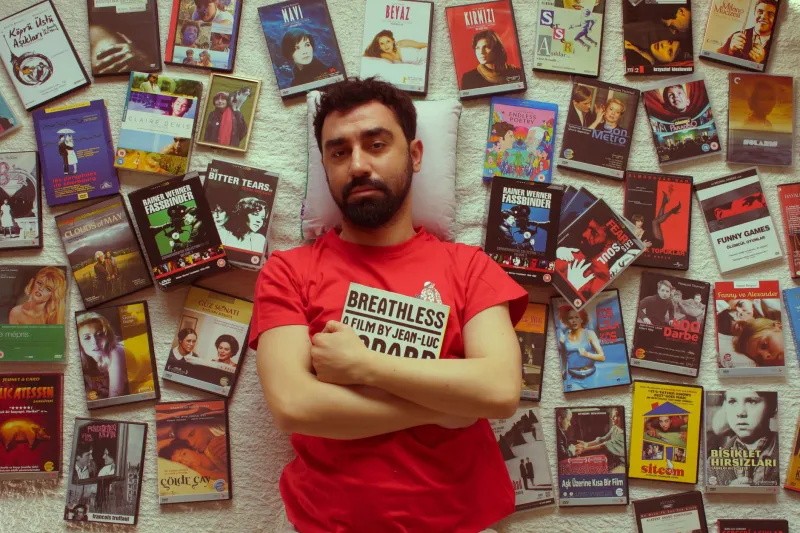
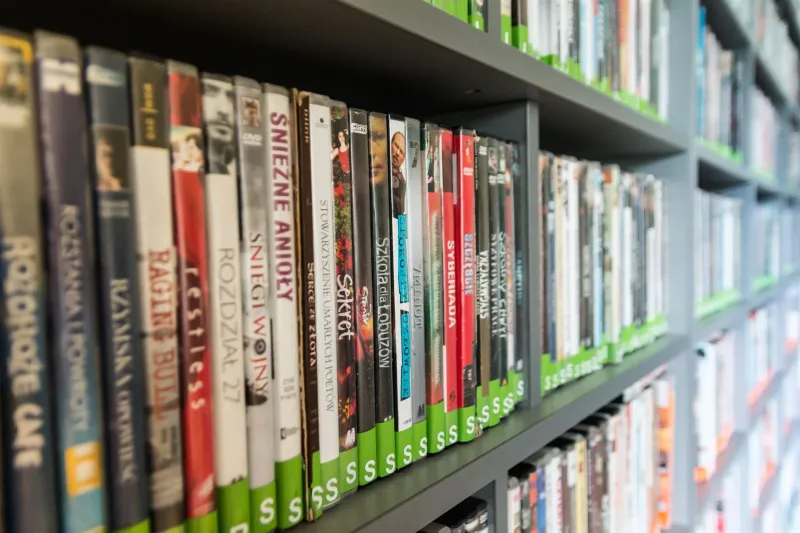
Pixel Perfect: The British Fans Fighting to Save Films From Their Own Official Releases
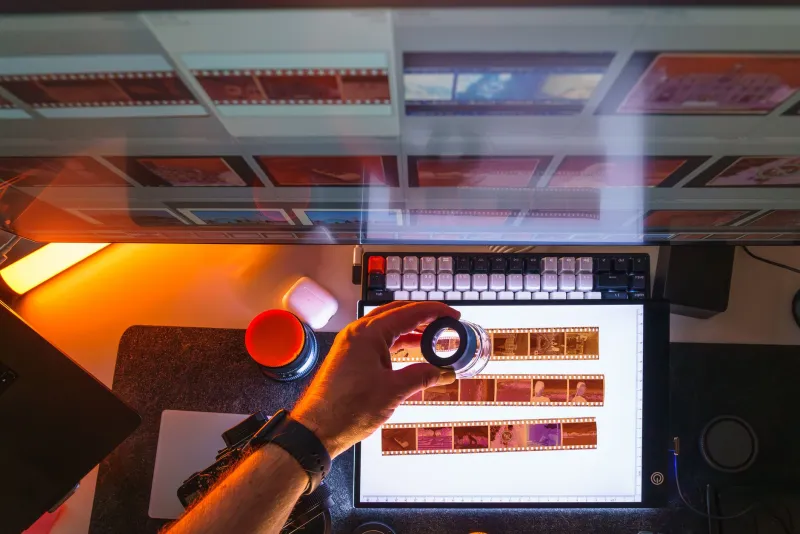
Not every film gets the release it deserves. This is one of the more frustrating realities of physical media collecting, and it's something that a particular breed of British enthusiast has decided to treat not as an inconvenience to be accepted, but as a problem to be solved.
Across forums, Discord servers, and dedicated social media communities, there exists a loose network of UK-based collectors who've made it their business to know — in forensic detail — exactly which version of any given film looks and sounds best on disc. They cross-reference transfers. They import editions from Japan, Germany, France and the United States. They document the differences between releases with the rigour of academic researchers. And increasingly, they're using that knowledge to push distributors towards doing better.
This is the world of the restoration obsessive, and it's considerably more influential than the mainstream film industry tends to acknowledge.
The Problem With "Official" Releases
To understand why this community exists, you need to understand the frustration that created it.
Britain has a complicated relationship with film preservation. The BFI does extraordinary work, and boutique labels like Eureka and Indicator have set genuinely world-class standards for how catalogue titles should be treated. But for every lovingly restored release from a prestige label, there are dozens of titles that received their UK disc debut from a distributor who simply didn't have the budget, the inclination, or the technical expertise to do the job properly.
The results range from mildly disappointing to genuinely distressing. Incorrect aspect ratios. DNR processing that scrubs away film grain and leaves actors looking like they've been rendered in wax. Transfers sourced from old broadcast masters rather than original film elements. Mono audio presented as stereo through a process that adds nothing but phase problems. Each of these is a real and documented issue affecting real releases that British collectors have paid real money for.
"You buy what's supposed to be the definitive release of a film you love," says Marcus, a collector from Leeds who moderates one of the UK's most active DVD comparison forums, "and you put it on, and it just looks wrong. The colours are off. The grain is gone. And you think — this film deserves better than this. Someone should do something."
For Marcus and people like him, "someone" eventually became themselves.
The Import Solution
The first and most immediate tool available to these collectors is the global disc market. Region coding, once a significant barrier, has become less of an obstacle as region-free players have become widely available and affordable. This opens up a world of alternative editions that can be dramatically superior to their UK counterparts.
Japanese pressings are particularly prized in certain circles. Japanese distributors have a long tradition of releasing Western films with exceptional care — high bitrate transfers, faithful colour grading, and packaging that treats the film as an object of cultural significance. The prices reflect this, but for a collector who's serious about a particular title, paying £40 for a Japanese import that looks genuinely cinematic is preferable to paying £12 for a UK release that looks like a DVD from 2003.
German and French editions frequently offer their own advantages — sometimes a superior transfer, sometimes a different cut of the film, sometimes bonus material that never made it to the British release. Italian labels have developed a strong reputation for their handling of genre cinema. Australian distributors have occasionally produced transfers that put UK equivalents to shame.
The community's collective knowledge of which territory has the best release of any given title is, at this point, remarkably comprehensive. Ask on the right forum which edition of a specific British thriller or cult horror film to buy, and you'll receive a detailed breakdown of the options within the hour.
Lobbying That Actually Works
Importing is a solution for individual collectors, but it doesn't address the underlying problem: that UK audiences deserve proper releases of their own cinema heritage without having to source them from abroad. This is where the community's advocacy work comes in — and where the results have occasionally been genuinely impressive.
Several boutique labels have, over the past decade, developed real relationships with collector communities. Arrow Video, in particular, has a history of listening to its audience. Collector forums have been directly instrumental in flagging problematic transfers, identifying better source materials, and in some cases connecting distributors with the rights holders or technical resources needed to produce a superior release.
One well-documented case involved a mid-period British horror film that received a deeply unsatisfying UK disc release in the early 2010s — cropped, filtered, and sourced from a telecine transfer that appeared to predate the digital era. Collectors documented the problems exhaustively, compared the release unfavourably with a French edition that had been produced from original 35mm elements, and mounted a sustained campaign across multiple platforms making the case for a proper restoration.
Several years later, a boutique label picked up the rights and released a new edition sourced directly from the original negative. The collector community that had been shouting about it for years was, by general consensus, largely responsible for keeping the title on the radar of the people who eventually made it happen.
"Labels do listen," says Priya, a collector based in Birmingham who's been involved in several similar campaigns. "They're not always able to act immediately — rights are complicated, money is complicated — but they notice when there's sustained, informed demand for something. The key word is informed. You have to know what you're talking about. You have to be specific about what's wrong and what a better release would look like."
The Ethics of Fan Improvement
There's a more contentious corner of this world that's worth acknowledging, even if carefully. Some enthusiasts go beyond sourcing superior official releases and explore whether fan-produced restorations or colour corrections — created from legally owned source material — might fill the gap left by inadequate official editions.
This sits in genuinely complex legal territory, and most of the community is careful to distinguish between private use and distribution. The prevailing view among serious collectors is that the goal should always be to push for proper official restorations rather than to create workarounds. Fan work, where it exists, tends to be treated as a demonstration of what's possible — a proof of concept that a better version of a film can exist — rather than a permanent solution.
The permanent solution is always the same: a rights holder who cares, a distributor with the resources and expertise, and source material in good enough condition to work with. Getting all three aligned is the challenge. The collector community's job, as they see it, is to make sure the demand is clearly and loudly articulated — so that when the opportunity arises, the case for doing it properly is already made.