Voices Across the Channel: The Forgotten British Dubs That Made Region 2 Unmissable
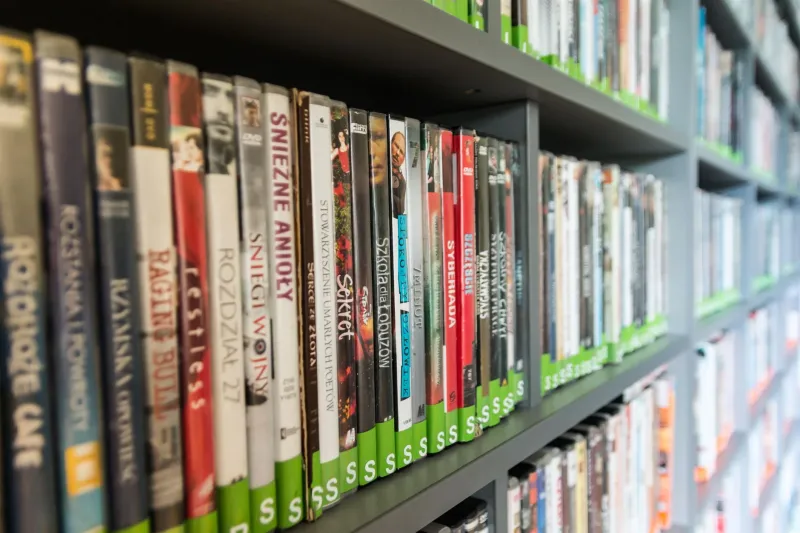
There's a particular kind of collector who doesn't care much about transfer quality. Ask them about bit rates or aspect ratios and their eyes glaze over. What they want — what they need — is the right voice coming out of the right speaker at the right moment. For this devoted tribe, Region 2 DVDs weren't just convenient. They were irreplaceable.
Britain has a longer, stranger history with the art of dubbing than most people realise. Long before DVD existed, UK distributors were commissioning their own English-language tracks for foreign-language films — tracks that often diverged wildly from the American versions licensed separately across the Atlantic. When the DVD era arrived and studios began pressing Region 2 discs for the UK market, many of those legacy dubs came along for the ride. Some new ones were made specifically for British releases. And then, quietly, the whole practice began to die.
The Golden Age Nobody Noticed
Through the late 1990s and into the mid-2000s, a handful of UK distributors were still actively commissioning bespoke English dubs for their releases. Manga Entertainment, for instance, built much of its early reputation on anime titles where the British dub — recorded at facilities around London and the Home Counties — had a distinctly different flavour from whatever Funimation was putting out in the States. Different voice casts, different translation choices, occasionally a different tonal register entirely.
"There was a real craft to it," says Marcus, a Birmingham-based collector who has spent the better part of fifteen years hunting down specific UK anime pressings. "The British dubs from that era had a kind of... theatricality to them. The voice actors came from a stage and radio background. It wasn't always slicker, but it was often more interesting."
Anime wasn't the only genre where this mattered. European art house distributors releasing Italian, French, and German films on Region 2 frequently had access to dub tracks that had been produced for British theatrical release years or even decades earlier. These weren't always prestigious productions — plenty were knocked out quickly for the video rental market — but they had character. Idiosyncratic casting choices, dialogue that reflected how British audiences actually spoke, the occasional uncredited turn from someone who'd later become a recognisable face.
The Giallo Connection
If you want to understand why collectors obsess over British dubs, spend an afternoon in the company of anyone who collects Italian horror. The giallo genre — those lurid, stylish thrillers that Dario Argento and Lucio Fulci made famous — arrived in Britain via a chaotic tangle of different distributors, each holding rights to different titles and each working from different source materials.
 Photo: Lucio Fulci, via axismundi.blog
 Photo: Dario Argento, via www.canberratimes.com.au
The upshot is that certain UK pressings of classic gialli feature dub tracks that are simply not available anywhere else. Sometimes these are actually better than the American alternatives; sometimes they're gloriously, entertainingly worse. Either way, they're distinct. Collectors who grew up watching these films on British VHS tapes — recorded off late-night Channel 4 screenings or rented from the back shelves of their local video shop — have an emotional attachment to specific voice performances that no streaming platform can replicate.
"I tracked down a Region 2 pressing of a particular Fulci film for three years," admits Diane, a collector from Glasgow. "Not because it had better picture quality — it didn't. Because the dub on it was the one I remembered from childhood. There's a voice actor in it whose name I still don't know. But I'd recognise his voice anywhere."
When Studios Stopped Bothering
The decline of bespoke British dubbing is a story with several culprits. Globalisation of the home video market played a part — as studios consolidated, it became easier and cheaper to produce a single English-language track for worldwide release rather than commissioning separate versions for different territories. The rise of subtitling as an acceptable mainstream option reduced pressure on distributors to provide dubs at all. And as DVD gave way to Blu-ray and then to streaming, the economics simply didn't support the investment.
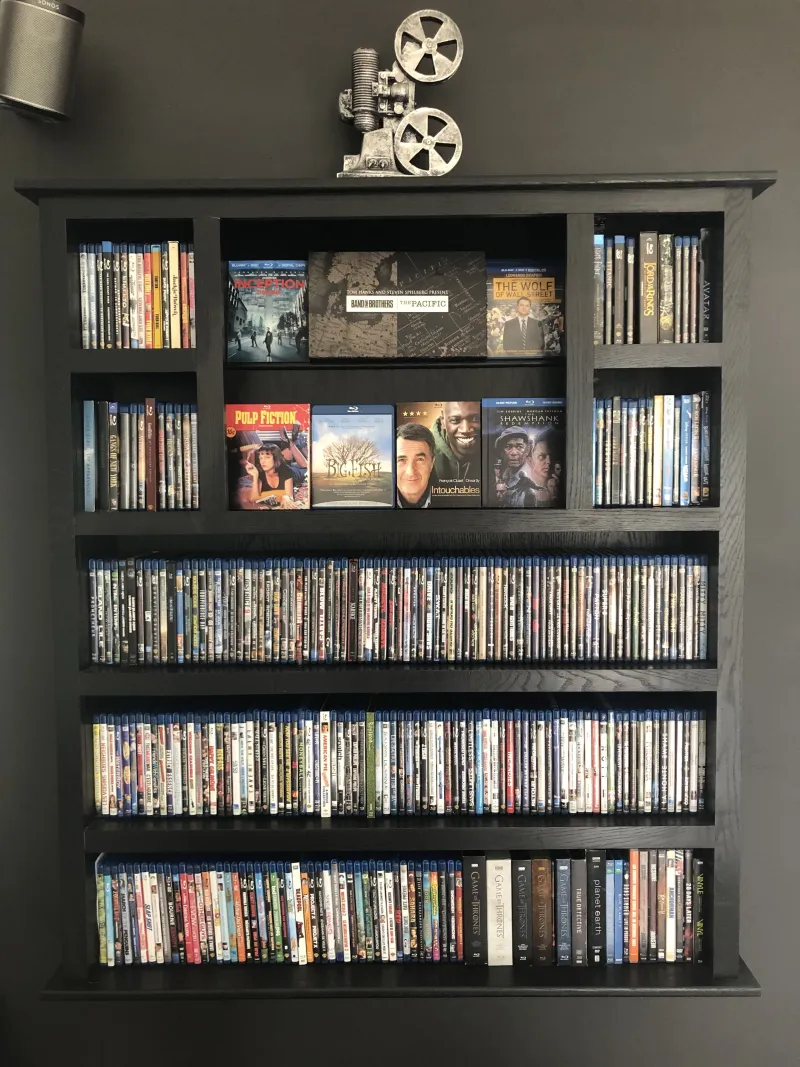
The result is a landscape where British collectors hunting for specific audio experiences are often forced back to DVD. Streaming platforms overwhelmingly licence American dubs when they bother with dubbed audio at all. Blu-ray releases, even from boutique labels, rarely commission new British tracks. The Region 2 DVD era, for all its limitations, represents a genuine high-water mark for audio variety in British home video.
What the Hunt Looks Like
For collectors actively seeking out these releases, the process is equal parts detective work and archaeology. Charity shops remain productive hunting grounds — the average volunteer sorting donations doesn't know or care which pressing of a 1980s Italian thriller they're pricing at 50p, but the collector who spots it certainly does. Online marketplaces require patience and a willingness to wade through incomplete listings from sellers who don't always know what they have.
Specialist forums help. Communities dedicated to specific genres — anime, European horror, martial arts cinema — have developed detailed catalogues of which UK pressings carry which audio tracks. This collective knowledge, built up over years of trial and error and occasional expensive mistakes, is itself a remarkable thing: a kind of distributed archive of audio heritage that no institution has thought to preserve.
"The frustrating thing," Marcus points out, "is that some of these dubs exist on no other format. If the DVD goes out of print and nobody's preserved a copy, that's it. It's gone. A piece of British cultural production, just vanished."
The Case for Preservation
There's a serious point lurking beneath the collector enthusiasm. British dubbing — particularly from the theatrical and early home video eras — represents genuine creative labour. Voice directors, translators, actors, sound engineers: real people made real artistic choices to produce these tracks, and those choices shaped how generations of British audiences experienced foreign-language cinema.
The boutique labels doing such sterling work on physical media releases — and there are several operating out of the UK who deserve enormous credit — occasionally dig out legacy dub tracks and restore them alongside new subtitle translations. When they do, collectors notice. Releases that include a vintage British dub alongside a modern alternative routinely sell better and generate more enthusiasm than those that don't bother.
For anyone building a collection with an ear for audio history, the message is simple: don't overlook the Region 2 pressings, and don't assume that newer means better. Sometimes the most valuable thing on a disc is the voice of someone whose name you'll never find in the credits, saying lines that only ever existed in one version, on one pressing, made for one market that took the trouble to care.