Northern Lights: How BFI, Eureka and Britain's Boutique Labels Left Criterion Playing Catch-Up
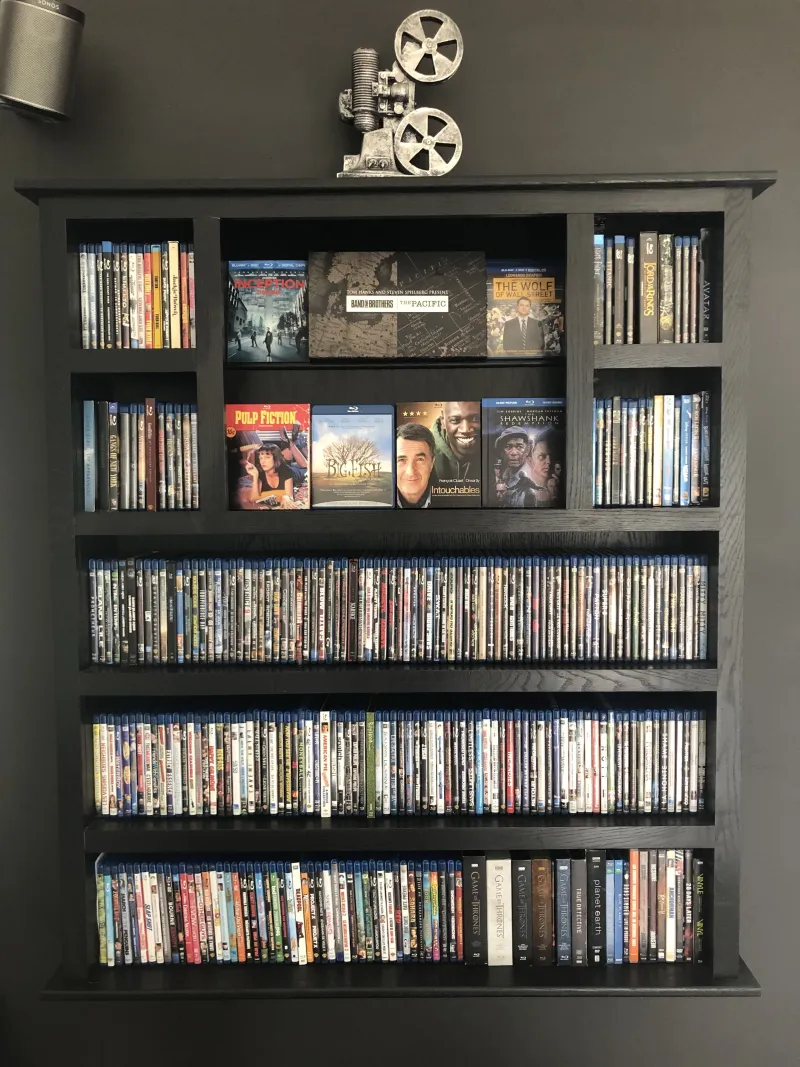
Photo: boutique DVD Blu-ray collection shelves film restoration packaging UK, via i.pinimg.com
Northern Lights: How BFI, Eureka and Britain's Boutique Labels Left Criterion Playing Catch-Up
There's a particular kind of satisfaction that comes with sliding a Masters of Cinema Blu-ray out of its slipcase and reading the accompanying booklet before you've even pressed play. The paper stock alone tells you something important is happening. The essay inside, written by a film academic who clearly adores the subject, confirms it. This is not an accident. It is the result of years of quiet, determined work by British boutique labels who decided, at some point in the early 2000s, that nobody was going to out-curate them.
For a long time, the conversation around prestige physical media began and ended with the Criterion Collection. The New York-based label built its reputation through decades of championing world cinema with lavish supplements, restored transfers, and an editorial voice that felt genuinely authoritative. Collectors across the globe — including plenty in Britain — treated a Criterion spine number like a hallmark of quality. And fair enough. The work has often been extraordinary.
But something shifted. And if you've been paying attention, you'll have noticed that the shift happened largely on this side of the Atlantic.
What Makes a Release Truly Great?
Before we get into specifics, it's worth being clear about what separates a genuinely great boutique release from a competent one. It isn't just about picture quality, though that matters enormously. It's about the totality of the object — the care taken with the transfer, the intelligence of the supplementary material, the quality of the physical packaging, and crucially, the sense that everyone involved actually cared about the film being celebrated.
By that measure, British labels have been quietly building a remarkable track record.
Eureka's Masters of Cinema line — which has been operating since 2004 — has produced releases that regularly draw gasps from collectors who consider themselves Criterion loyalists. Their Blu-ray of Carl Theodor Dreyer's The Passion of Joan of Arc, sourced from the Gaumont restoration, remains one of the most discussed silent film releases in physical media history. The accompanying booklet runs to dozens of pages. The transfer is meticulous. There are no corners cut.
 Photo: Carl Theodor Dreyer, via 2.bp.blogspot.com
The BFI, meanwhile, operates with an institutional weight that no American label can truly replicate. As the custodian of British cinema's heritage, it brings access to archives, relationships with filmmakers, and a curatorial perspective rooted in genuine cultural stewardship. Their releases of Powell and Pressburger's work — The Red Shoes, A Matter of Life and Death, Black Narcissus — didn't just look beautiful. They recontextualised films that had been under-served by home video for decades. The 4K restoration of A Matter of Life and Death was, by any measure, a landmark moment for physical media in this country.
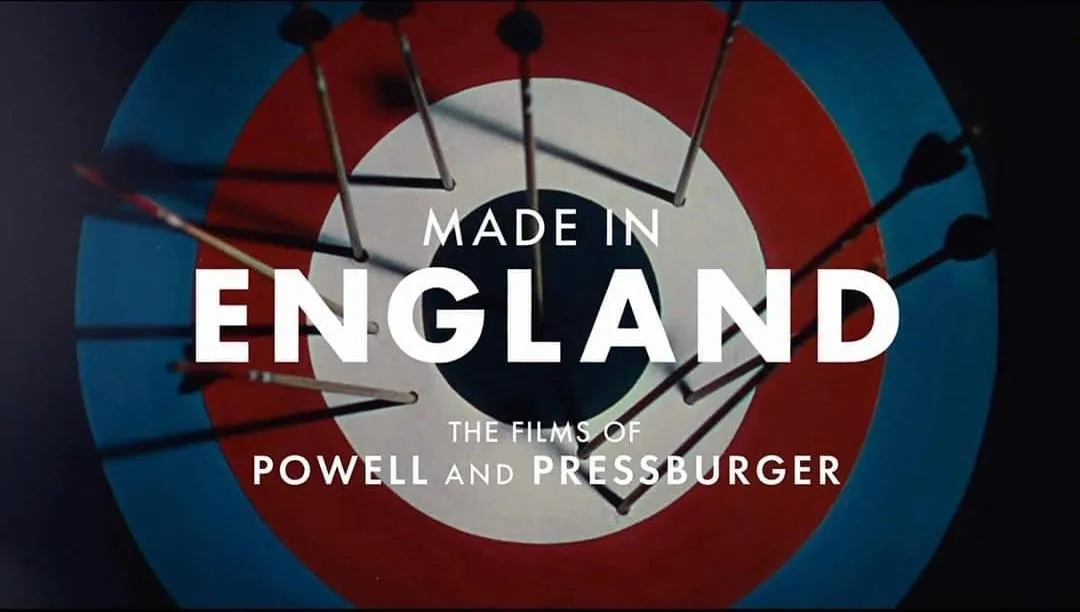 Photo: Powell and Pressburger, via m.media-amazon.com
The Scholarly Difference
One thing that separates the best British releases from much of what arrives from across the pond is a particular kind of academic rigour that doesn't feel stuffy. The BFI's booklets draw on the resources of a genuine film institution. Eureka commissions writers who are specialists, not generalists. Arrow — who have grown into one of the most exciting labels in the world — have developed a house style that balances accessibility with genuine depth.
Collectors who've spent time with both traditions notice the difference. "There's something about the British approach that feels less like marketing and more like scholarship," says one regular customer of ours who has built a collection running to several hundred boutique releases. "When the BFI puts out a film, you feel like someone has genuinely thought about why it matters and what you need to know to understand it properly. Sometimes with Criterion you get that. Sometimes you get a celebrity essay that feels a bit thin."
That's not a universal truth, and Criterion's best work remains genuinely brilliant. But it's a fair observation about tendencies.
Arrow's Global Ambition
If the BFI and Eureka represent British boutique releasing at its most institutionally grounded, Arrow represents something more commercially ambitious — and no less impressive for it. The label has expanded aggressively, launching an American imprint, developing a streaming service, and producing releases that span everything from Italian giallo to Hong Kong action cinema to British social realism.
What's striking is that the quality has largely held as the ambition has grown. Their restoration of Don't Look Now — a film of particular significance to British audiences — was rightly celebrated. Their Dario Argento box sets have become essential purchases for genre collectors worldwide. And their willingness to engage with cult and exploitation cinema alongside arthouse prestige gives them a range that no single American label can match.
 Photo: Dario Argento, via ia803202.us.archive.org
Why This Matters for Your Collection
If you're building a serious collection of classic and world cinema, the practical upshot of all this is straightforward: don't assume that the American release is automatically the definitive one. In many cases — perhaps most cases — the British label has produced something superior.
The BFI's catalogue is an obvious starting point for anyone interested in British cinema specifically. But their world cinema output is equally strong. Eureka's Masters of Cinema line covers an extraordinary range of directors, with Yasujirō Ozu, Jean-Luc Godard, and Fritz Lang all represented by releases that can stand beside anything in the Criterion catalogue. Arrow's back catalogue is vast and rewards patient exploration.
For collectors who've been importing Criterion titles from America and paying premium prices for the privilege, it's worth spending some time with what's been produced right here at home. You might be surprised how often the answer to "which version should I buy?" turns out to be the British one.
The Criterion of the North? Perhaps. But honestly, at this point, the comparison feels a little modest.