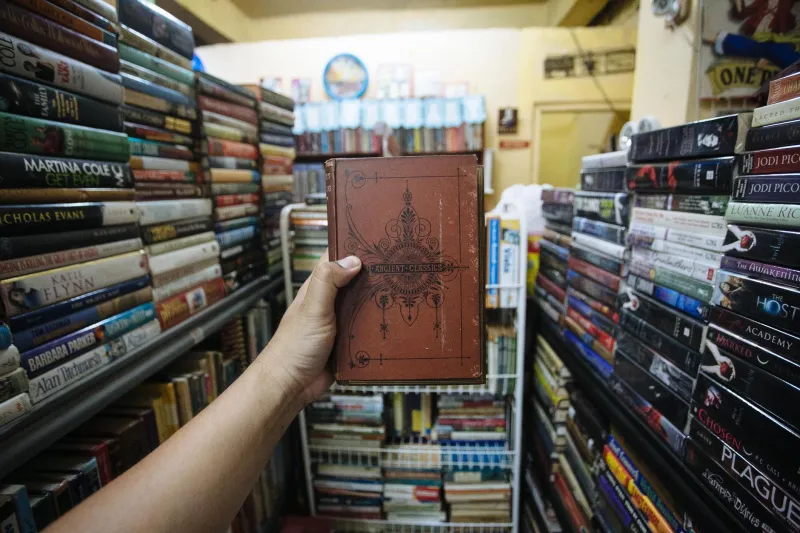
Shelf Life: Rating Britain's Greatest TV Box Sets as Physical Objects Worth Living With

Photo: Krzysztof Ziarnek, Kenraiz, CC BY-SA 4.0, via Wikimedia Commons
Let's be honest about something. When a box set is truly excellent, you find reasons to take it off the shelf even when you're not planning to watch it. You might be showing a visitor. You might be checking a disc for a specific episode. Or you might just be doing that thing collectors do — handling the object, appreciating its weight, noticing again the quality of the print on the outer slip or the way the discs are organised inside. It's not strange. It's the whole point.
The best television box sets aren't just content delivery mechanisms. They're considered physical objects that reward ownership beyond the programmes themselves. Booklets with real editorial content. Disc organisation that reflects genuine thought. Construction that suggests the people responsible actually cared. These are the sets that earn permanent shelf space rather than being rotated out when storage gets tight.
What follows is a frank assessment of some of Britain's greatest television collections, judged as physical objects first and content second. Because you can find out whether a show is worth watching anywhere. What's harder to know — until it's sitting in your hands — is whether it's worth owning.
The Criteria That Matter
Before diving in, it's worth being clear about what we're actually measuring. Five factors carry the most weight in any serious assessment of a box set as a physical object.
Construction quality covers the basics: does the outer packaging hold together? Are the disc holders robust? Will this thing survive being taken off and put back on a shelf several hundred times over the next decade? Cheap cardboard warps, flimsy disc trays crack, and poorly designed spines become unreadable after minimal exposure to light. These aren't minor complaints — they're the difference between a set you keep and one you eventually replace.
Booklet depth is where the genuine quality gap between labels opens up. A thin fold-out with episode synopses is not a booklet. A properly produced, essay-led document that adds genuine critical or historical context to the programmes it accompanies — that's a booklet. The best examples function as standalone reference material.
Disc organisation sounds mundane but matters enormously in practice. How discs are numbered, labelled, and arranged within the packaging affects the experience of actually using the set. Poorly organised multi-disc collections — where finding a specific episode requires consulting a separate guide — are a recurring frustration.
Spine coherence matters to anyone building a serious collection. Sets designed to sit alongside each other on a shelf, with consistent spine design across series, are a genuine pleasure. Those that change design partway through a run — or that simply have no legible spine information at all — create visual chaos.
Overall shelf presence is the hardest to quantify but easiest to recognise. Some sets simply look right. They have a visual authority that makes a shelf look considered rather than accumulated. Others look like they were designed by committee under budget pressure, which they probably were.
The Benchmarks
Doctor Who — The Complete Series Collections (BBC) The BBC's handling of its flagship drama over the years has been inconsistent, but the earlier complete series releases from the revived show's run represent solid work. The packaging is recognisably designed, the disc organisation is logical, and the special features are genuinely substantial. Where the sets fall down slightly is booklet depth — the accompanying documentation rarely rises above the functional. Still, as a spine-coherent collection that looks intentional on a shelf, these hold up well. Shelf presence: strong. Booklet depth: adequate.
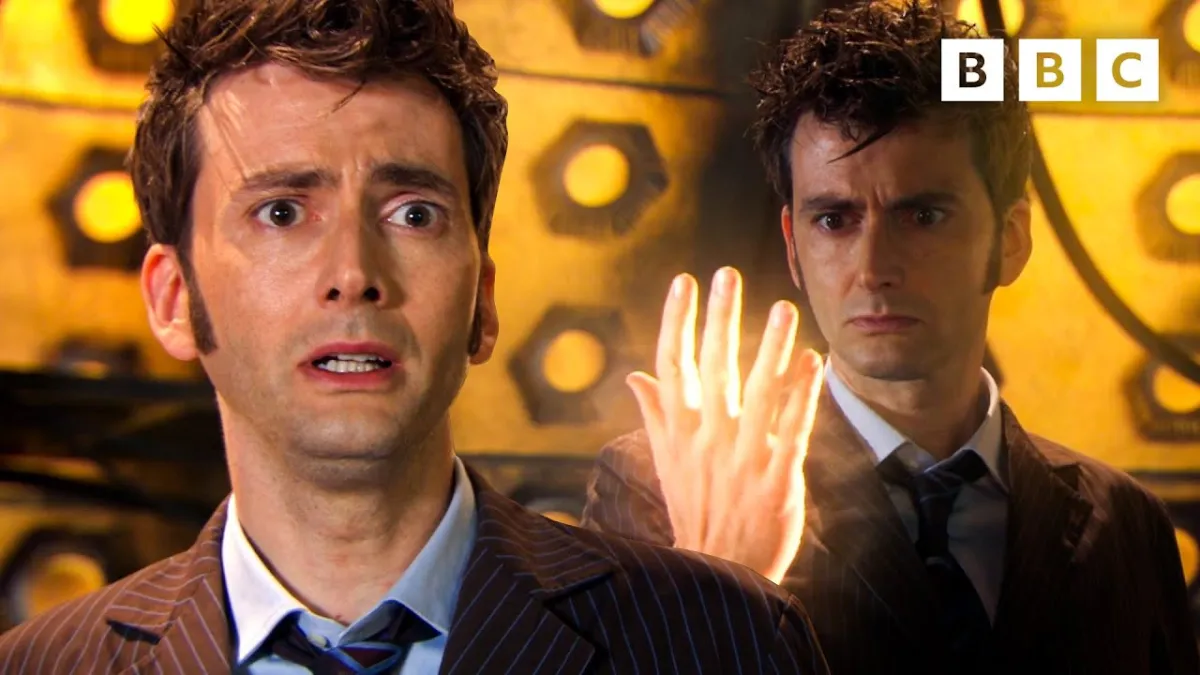 Photo: Doctor Who, via d.techtimes.com
The Wire — Complete Series (Entertainment One UK) The UK release of The Wire is a case study in functional excellence. This isn't a set that announces itself with elaborate packaging or precious materials. What it offers instead is absolute reliability: well-organised discs, clean design, and the confidence that comes from a programme that doesn't need presentation tricks to justify its existence. The slim-line complete series packaging is genuinely efficient. Shelf presence: understated authority. Construction: excellent.
 Photo: The Wire, via m.media-amazon.com
Peaky Blinders — Complete Series (Universal) As the show's profile grew, so did the ambition of its physical releases. The later complete series packaging for Peaky Blinders leans into the programme's visual identity with real confidence — dark palette, strong typography, the kind of design that would look at home on a coffee table as readily as a media shelf. The booklets improved across releases too, with later editions including more substantial production material. Shelf presence: genuinely impressive. Booklet depth: improved with later releases.
 Photo: Peaky Blinders, via de.web.img3.acsta.net
Yes Minister / Yes, Prime Minister — Complete Collection (Simply Media) This is the entry that surprises people. Simply Media's handling of the classic BBC political comedies produced a collection that punches well above its price point. The packaging is clean and appropriately understated for material of this vintage, the disc organisation is faultless, and the set sits beautifully on a shelf alongside other classic British television collections. It's the kind of release that makes you appreciate what smaller labels can achieve when they take the work seriously. Shelf presence: quietly excellent. Value for money: outstanding.
The Crown — Complete Collection (Sony Pictures) The packaging for The Crown's complete run is genuinely luxurious in a way that few television releases attempt. The outer case construction is substantially heavier than standard, the disc organisation is impeccable, and the booklets include production photography and essay material that justify their presence. This is a set that functions as a statement object on a shelf — it communicates something about the viewer's taste simply by being there. Shelf presence: maximum. Construction: premium. Price: reflects both.
Fawlty Towers — Complete Collection (BBC) Any list of this kind has to reckon with Fawlty Towers. The BBC's various releases of this twelve-episode series have ranged from adequate to excellent, and the best current complete edition is a genuinely satisfying object. The challenge with classic British comedy is resisting the temptation to over-package — the material is the attraction, not elaborate presentation — and the BBC largely gets this right. Clean, well-organised, with enough supplementary material to reward existing fans. Shelf presence: compact and confident. Booklet depth: good.
The Ones That Disappoint
It wouldn't be an honest assessment without acknowledging the sets that fail as objects. Several major British drama releases have arrived in packaging that feels actively contemptuous of the audience — flimsy cardboard that begins deteriorating within months, disc trays that crack on first use, and booklets that are, in reality, single-sided inserts with episode listings. These releases exist, they're sometimes unavoidable if you want the content, but they should be named as the disappointments they are. The collector community notices. The secondary market prices reflect it.
What It All Means
The argument for box sets as physical objects worth caring about isn't nostalgic or contrarian. It's practical. A well-constructed, thoughtfully designed television collection is an object that will be on your shelf in twenty years, still playable, still complete, still looking exactly as it did the day you bought it. The streaming version of the same content may or may not exist at that point, in whatever quality the platform decides to offer.
Ownership means permanence. The best box sets make that permanence beautiful.