Now or Never: Why 2025 Has Become the Year British Collectors Are Finally Getting Serious
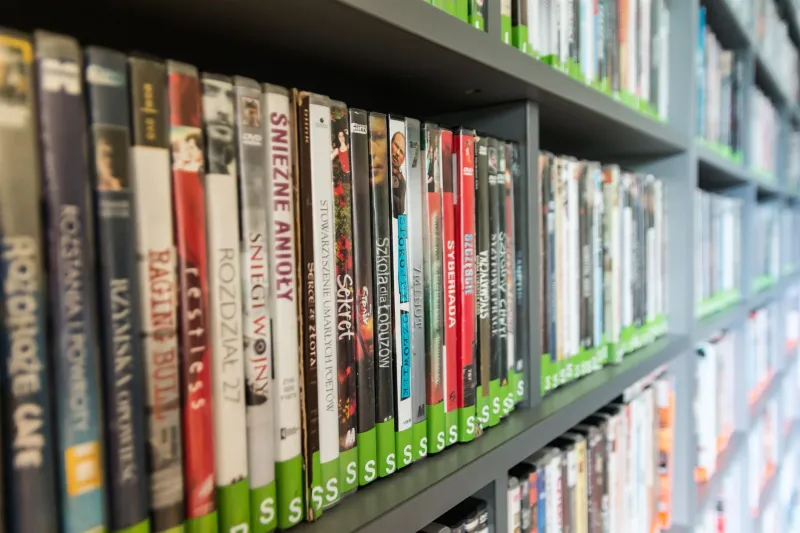
For most of the past decade, the standard advice to anyone hovering over a DVD they weren't sure about was simple: wait. Prices come down. Better editions get announced. Patience is a collector's greatest asset.
That advice is starting to feel dangerously out of date.
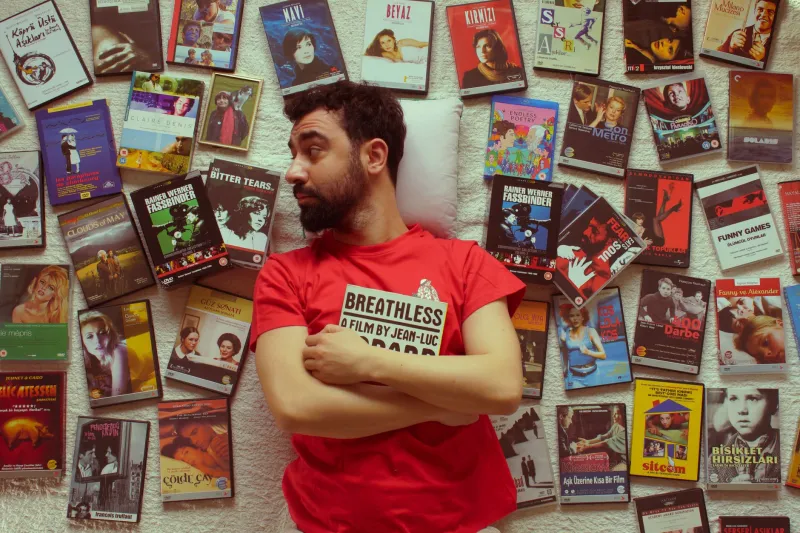
Something has shifted in 2025, and if you've spent any time on UK collector forums, in Facebook groups dedicated to physical media, or simply talking to other enthusiasts, you'll have noticed the change in tone. The wait-and-see mentality that served collectors well through the early streaming years is giving way to something more urgent. People are buying differently. They're buying more deliberately. And they're buying now.
The Streaming Squeeze That Changed Everything
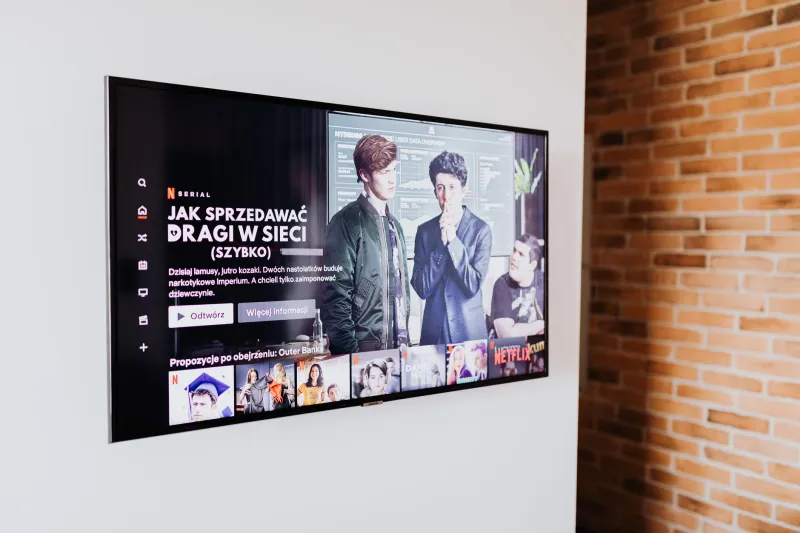
To understand what's driving this shift, you have to look at what's been happening to the streaming landscape over the past eighteen months. The consolidation was always coming — too many platforms chasing too few subscribers was never a sustainable model — but the speed of it has caught a lot of people off guard.
Platforms that once seemed permanent have folded into larger ones, taking their exclusive content with them. Libraries that were quietly enormous have been audited and trimmed. Price tiers have multiplied to the point where accessing a full catalogue across multiple services costs significantly more than it did two years ago — and delivers, in many cases, noticeably less.
For casual viewers, this is an irritation. For collectors, it's been a revelation.
"I did the maths properly for the first time in years," says David, a collector from Leeds who has been building his physical library since the early 2000s. "What I'm paying across three streaming services annually, I could buy a substantial number of discs. Discs I'd own permanently. Discs that won't disappear when some executive decides to restructure."
He's not alone in doing this calculation. The economics of streaming have shifted just enough to make the comparison with physical media no longer embarrassing for the disc side of the ledger.
The Catalogue Cull Anxiety
Beyond the cost question, there's a more specific anxiety driving purchasing decisions: the very real possibility that content currently available somewhere online will simply cease to be available anywhere.
This isn't paranoia. It's happened repeatedly and visibly enough that collectors have started treating streaming availability as a countdown rather than a permanent state. When a title loses its digital home, it often has no physical alternative — either because it was never released on disc in the UK, or because existing pressings have long since sold out and no reissue is forthcoming.
The titles that are generating the most collector urgency right now tend to fall into a few distinct categories. Television series with complicated rights situations — particularly older British drama and comedy from the nineties and early 2000s — are near the top of most wishlists, because the combination of licensing complexity and modest commercial appetite makes digital reissues unlikely. Films with contested ownership histories present similar concerns. And anything that exists in a single, out-of-print UK pressing from a smaller distributor is being treated with new seriousness by collectors who previously assumed something better would come along.
Spending Smarter, Not Just More
What's interesting about the current moment is that it isn't producing panic buying so much as strategic buying. Collectors aren't just grabbing everything they can find — they're being unusually deliberate about priorities.
Forum discussions that once centred on which upcoming boutique releases to pre-order have shifted noticeably towards triage: which existing gaps in a collection represent genuine long-term risk, and which can still afford to wait? The collector who spent years building a carefully curated shelf is now applying the same curatorial logic to their purchasing queue.
"I've got a list," says Janet, a collector from Manchester with a focus on British television and world cinema. "Things I've been meaning to pick up for years that I keep deprioritising. I'm working through it properly now, because I've realised that 'eventually' isn't guaranteed anymore."
Her list, she admits, runs to several dozen titles. She's working through it methodically, cross-referencing prices, checking which pressings are considered the best available versions, and making decisions based on a combination of personal importance and replacement difficulty.
What the Boutique Labels Are Doing
The specialist labels that have long been the backbone of serious British collecting — Arrow Video, Eureka, the BFI, Indicator, and their peers — are navigating this moment with varying degrees of confidence. Limited editions continue to sell strongly, often selling out within hours of announcement. Standard editions of catalogue titles are performing better than they have in several years.
There's a sense within the collector community that these labels understand the current climate and are responding to it — programming titles with an eye on what's at risk of disappearing digitally, and leaning into the preservation argument that has always underpinned the boutique physical media case.
Whether mainstream distributors will follow suit is less clear. The commercial logic for pressing large runs of catalogue titles that might sit in warehouses for years remains challenging. But the niche end of the market is, by most accounts, healthier than it's been in some time.
The Bigger Picture
Zoom out far enough and what 2025 represents is a moment of clarification. The streaming era promised permanence and delivered impermanence. The physical media era was supposed to be dying and has instead found a clear and defensible purpose: genuine ownership of things that genuinely matter to you.
For British collectors, that purpose has always been there. What's new is that the argument no longer needs to be made apologetically. The disc isn't a nostalgic holdout against an inevitable digital future. It's a considered response to a digital present that has proven, repeatedly and publicly, that it cannot be trusted to keep things available.
If you've been sitting on a wishlist, this is probably the year to stop sitting on it. Some of those titles won't be cheaper in two years. Some of them won't be available at all.