Grain, Grit and Greatness: The Case for Owning Britain's Crime Dramas on Disc
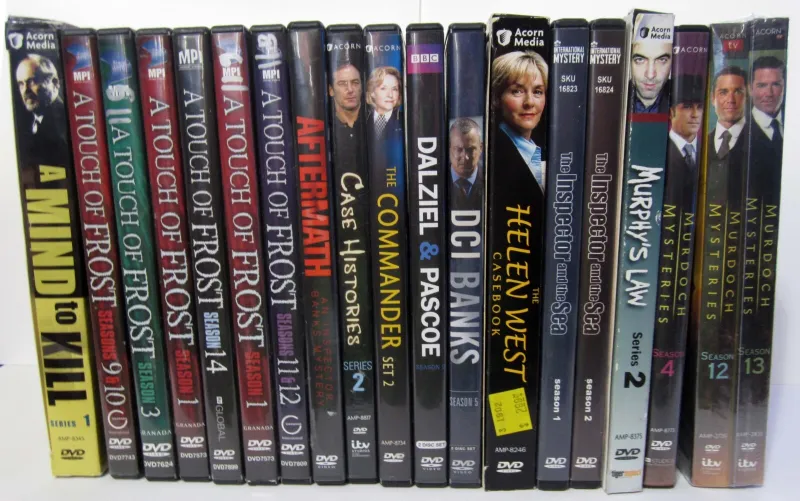
Photo: British crime drama television DVD box set shelf collection gritty, via i.ebayimg.com
Grain, Grit and Greatness: The Case for Owning Britain's Crime Dramas on Disc
There's a particular quality of light in the opening scenes of Prime Suspect — that grey, slightly flattened London daylight that feels specific to the early nineties, specific to a certain kind of institutional dread, specific to a world where Helen Mirren's Jane Tennison is about to walk into a room and refuse to be invisible. It's not glamorous light. It's not cinematic in the Hollywood sense. But it is absolutely, unmistakably real, and it carries the entire emotional weight of what follows.
 Photo: Helen Mirren, via nci.newscommand.com
Now try watching that scene on a streaming platform. What you'll often find is that the light has been processed, smoothed, and compressed into something that looks vaguely like the original but has lost the texture that made it matter. The grain is gone. The atmosphere is muted. The drama still functions — the performances are too good for compression to destroy entirely — but something essential has been stripped away.
This is not a minor quibble. For a certain kind of British television, visual texture isn't decoration. It's meaning.
Why British Crime Drama Depends on How It Looks
The tradition of British social realist television — the strand that runs from the Wednesday Play through to contemporary prestige drama — has always used image quality as a storytelling tool. The graininess of Cracker isn't a technical limitation. It's an aesthetic choice that places Robbie Coltrane's Fitz in a world that feels genuinely worn down, genuinely difficult. The muted colour palette of The Wire (yes, American, but instructive) versus the even more muted, murkier palette of something like Broadchurch — these choices are deliberate, and they require faithful reproduction to communicate properly.
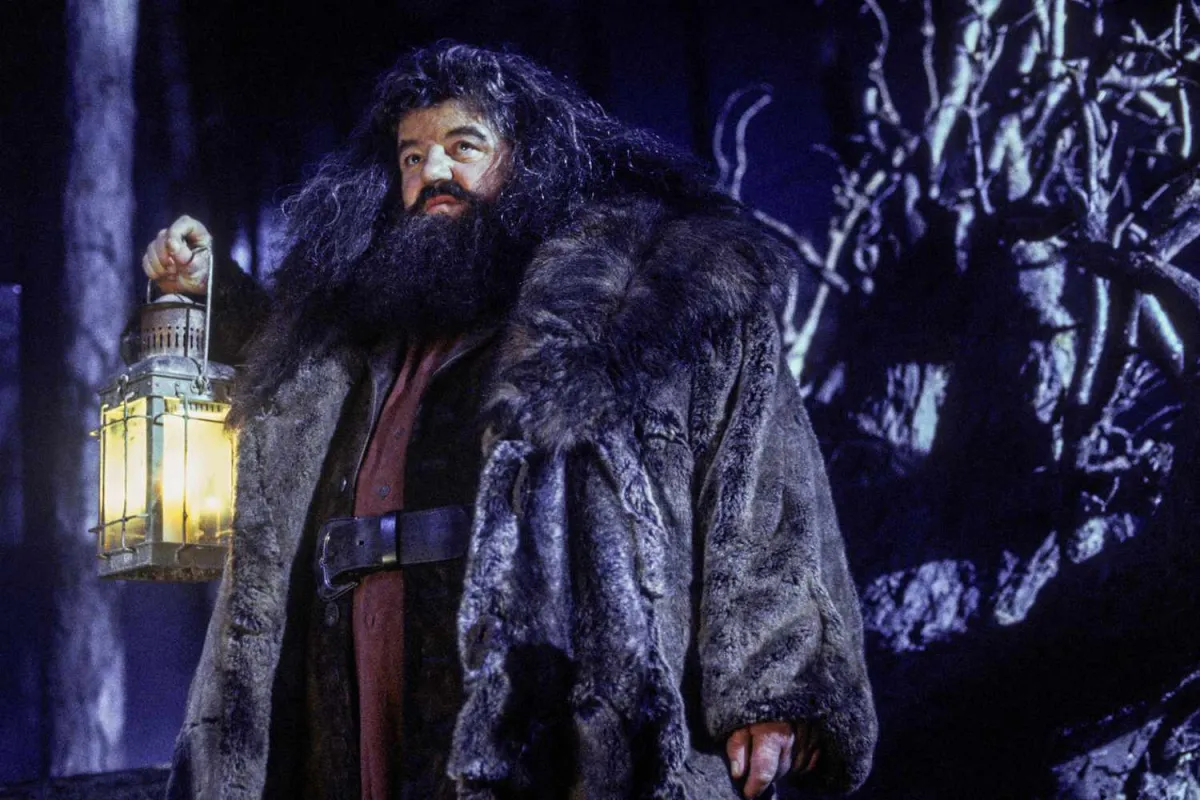 Photo: Robbie Coltrane, via ew.com
Streaming compression — particularly the heavy-handed variety applied by platforms managing enormous libraries across variable bandwidth — treats all of this as data to be reduced. The result is that fine grain becomes smearing. Subtle shadow detail collapses into flat darkness. Colours that were carefully desaturated to evoke a particular emotional register end up looking merely dull rather than deliberately bleak.
Disc formats don't have this problem. A well-mastered DVD — and certainly a Blu-ray — presents the image as it was intended to be seen, with the full range of information intact. For the kind of drama we're talking about, that's not a luxury. It's the difference between the thing and an approximation of the thing.
Essential Discs: Where to Start
Prime Suspect — The complete ITV series has been released in box set form on DVD, and while a Blu-ray upgrade would be welcome, the existing releases present the material significantly better than current streaming options. The first two series in particular benefit enormously from being watched in their original visual register. Seek out the complete collection rather than individual series releases where possible.
Cracker — Granada's landmark ITV series, with Robbie Coltrane at his absolute peak, has had decent DVD treatment. The image has that specific early-to-mid nineties texture — shot on film, transferred without the kind of digital smoothing that robs later releases of character. The bonus material on some releases includes interviews and behind-the-scenes content that no streaming platform currently carries.
Happy Valley — Sally Wainwright's extraordinary series, set in the Calder Valley and shot with a real eye for the specific quality of West Yorkshire light and landscape, deserves to be seen properly. The BBC DVD releases preserve the cinematography in a way that the iPlayer compression — variable at the best of times — simply doesn't. Series three in particular, which was shot with an even more deliberate visual grammar than its predecessors, rewards the investment in a physical copy.
Luther — Idris Elba's John Luther is a character defined partly by the visual world he inhabits: a London of underlit car parks, brutal housing estates, and rain-slicked streets that look genuinely menacing. The BBC DVD releases maintain the contrast and shadow detail that streaming tends to flatten. The bonus material across the series includes behind-the-scenes features and creator interviews that add real context.
 Photo: Idris Elba, via media.cnn.com
Tinker Tailor Soldier Spy (BBC, 1979) — Not strictly crime drama but absolutely essential to any serious collection of British television. The BFI's restoration is one of the finest examples of what a dedicated label can do for archive television. The image is as clean as it can be while preserving the authentic texture of the original recording. The accompanying booklet is essential reading. This is the definitive version of a definitive production.
The Bonus Material Argument
Beyond picture quality, there's a second major argument for disc ownership of British crime and social realist drama: the supplementary material that streaming platforms simply don't carry.
The making-of documentaries for Prime Suspect include interviews with Lynda La Plante about the genesis of the character and the resistance she faced in getting the series commissioned. The commentary tracks on certain Cracker releases feature Jimmy McGovern discussing the writing process with a candour he's rarely shown elsewhere. These are not peripheral extras. For anyone seriously interested in how British television gets made, they're primary sources.
Streaming services, even when they carry bonus material — which is far from guaranteed — tend to present it in a way that's buried and difficult to navigate. On a disc, it's there, organised, and permanent. It doesn't disappear when a licensing deal expires.
A Note on What's Coming
The good news for collectors is that interest in premium physical releases of landmark British television has been growing. Labels that built their reputations on cinema are increasingly looking at television as the next frontier. The BFI's television releases have demonstrated that there's a serious audience for properly treated archive TV.
If you haven't started building this part of your collection, now is a genuinely good time. Prices for out-of-print editions are still reasonable. The discs are still findable. And the dramas themselves — the Tennisons, the Fitzes, the Calhouns — are as powerful as they ever were, provided you're watching them the way they were meant to be seen.
Grain and all.