Gone But Not Forgotten: The DVD Releases Britain Wishes It Had Bought When It Could
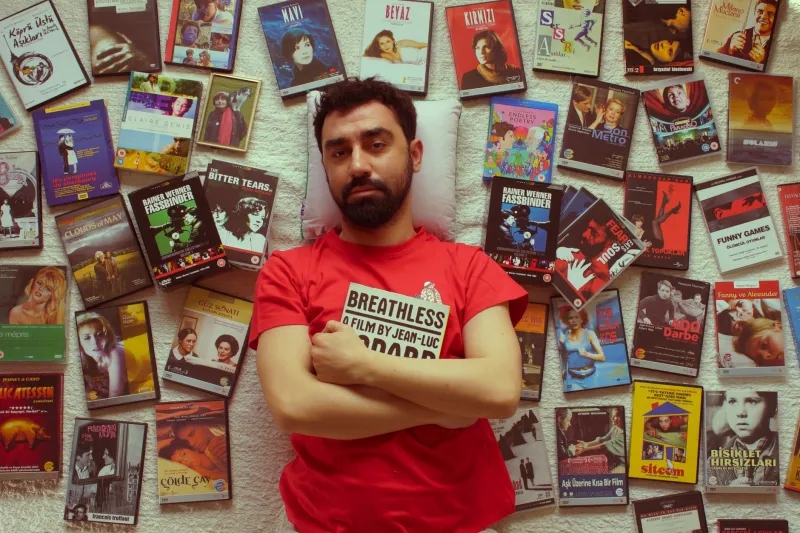
Every collector has a story that begins the same way. You saw it on a shelf once — maybe a supermarket, maybe a now-closed indie shop on a high street you barely visit anymore. You picked it up, turned it over, put it back. Told yourself you'd grab it next time. There wasn't a next time.
Out-of-print DVDs are the ghost stories of physical media. The titles are real, the pressings exist somewhere, but they've slipped beyond easy reach — trapped behind expired licences, dissolved distribution deals, or the slow collapse of studios that nobody mourned loudly enough at the time. For British collectors, the situation carries its own particular flavour of frustration, because the UK market has historically received some genuinely excellent editions of films and TV series that have since evaporated entirely.
Why Discs Disappear
It's worth understanding the mechanics before diving into the heartbreak. A DVD doesn't go out of print because someone decided to be cruel. More often, it's a cascade of mundane catastrophes.
Licensing agreements have finite terms. A distributor might secure rights to release a foreign film for ten years, press a modest run, and then — when renewal time comes — find that the rights have been acquired by a streaming platform unwilling to authorise physical media. The discs already in circulation remain legal to own and resell, but no new copies can be pressed. Supply dwindles, prices climb, and collectors who missed the window are left staring at eBay listings with a sinking feeling.
Studio and label closures are another culprit. When a boutique label folds, its back catalogue doesn't automatically find a new home. Rights revert to original holders who may have no interest in physical media whatsoever. The label's releases — sometimes beautifully produced, often containing exclusive extras and restorations — simply stop being available through any legitimate channel.
Then there's the messier territory of rights disputes. Co-productions involving multiple rights holders across different territories can become legally paralysed when relationships sour. A film might be perfectly available on DVD in France or Germany while remaining completely unpressable in the UK due to contractual disagreements that have nothing to do with British collectors and everything to do with lawyers billing by the hour.
The Titles That Still Sting
Ask around British collector communities — forums, Facebook groups, the conversations that happen at car boot sales between people who clearly know too much about aspect ratios — and certain titles come up again and again.
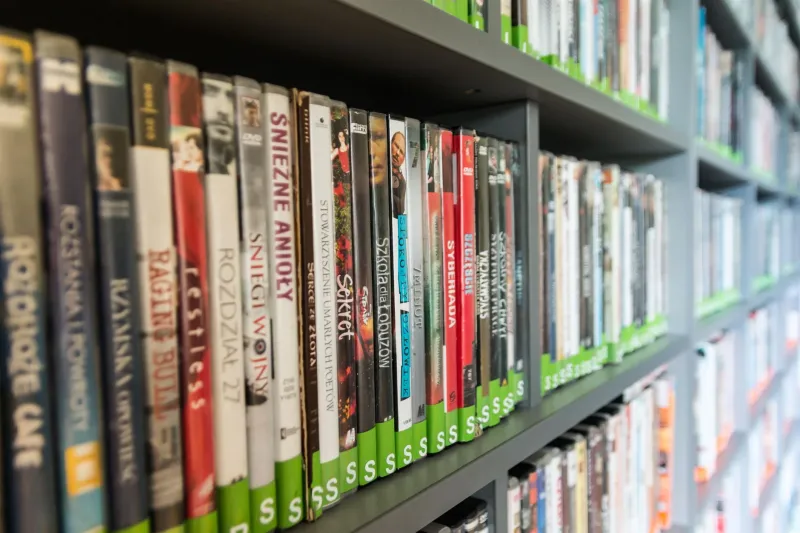
Classic European cinema has suffered disproportionately. Numerous Italian genre films, French new wave titles, and Spanish productions received thoughtful UK releases in the mid-2000s from labels that no longer exist. Some of these discs now command prices that would make a reasonable person sit down heavily. The frustration isn't just financial — it's that the editions themselves were often superior to anything released elsewhere, with careful subtitle work and genuine scholarship in the booklets.
British television is its own particular wound. Several acclaimed series from the 1970s and 1980s received DVD releases that sold modestly and then quietly disappeared when distribution arrangements changed. Collectors who own complete sets of certain ITV dramas from that era guard them carefully, knowing full well that replacement copies aren't coming.
Andy, a collector from Leeds who's been building his shelves for over two decades, puts it plainly: "There's a BBC series I watched as a kid — proper unsettling drama, the kind they don't make anymore — that came out on DVD around 2007. I kept meaning to buy it. By the time I actually looked properly, the cheapest copy online was pushing sixty quid. Now they're past a hundred and I can't bring myself to spend that on something I could've had for twelve."
That particular combination of regret and inflation is one collectors know intimately.
The Secondary Market and How to Navigate It
Here's the practical reality: out-of-print doesn't mean unobtainable. It means work.
eBay remains the most obvious starting point, but it rewards patience over impulse. Setting up saved searches for specific titles means you'll be notified when copies surface, often from sellers who've cleared out an attic or a deceased relative's collection and have no idea what they're sitting on. Prices vary wildly — the same disc can appear at auction for twelve pounds one week and fixed-price for eighty the next. Know your ceiling before you start bidding.
Amazon Marketplace is useful but requires care. Third-party sellers operate across a spectrum from meticulous to cavalier, and condition descriptions aren't always reliable. Always check seller ratings and don't hesitate to message sellers directly with specific questions about disc and case condition.
Beyond the obvious platforms, British charity shops remain genuinely underestimated. Oxfam's online store in particular has developed a reasonably sophisticated approach to pricing media, but physical branches — especially in university towns and affluent suburbs — still throw up surprises. The key is consistency. Regular visitors build relationships with staff and sometimes get first look at donations before they hit the shelves.
Specialist dealers are worth the premium for genuinely rare items. Several UK-based physical media dealers operate online and maintain curated stock of out-of-print titles. You'll pay more than a lucky charity shop find, but you'll also receive accurate condition descriptions and discs that have been properly checked.
Finally, don't overlook library services. Many UK public libraries still maintain DVD collections, and interlibrary loan systems occasionally surface titles you'd never expect. It won't put a copy on your shelf, but it might scratch the itch while you wait for a reasonably priced copy to appear.
A Note on Bootlegs
The out-of-print market has a shadow economy, and it's worth addressing directly. Burned copies, print-on-demand bootlegs, and unofficial pressings circulate fairly openly. The quality ranges from adequate to genuinely awful, and purchasing them does nothing for the rights holders — however complicated those rights might be — or for the legitimate secondary market that benefits real collectors.
The practical argument against bootlegs is simple: you're paying for something that may not play reliably, almost certainly lacks the extras and quality of the original pressing, and has no resale value. When a legitimate copy eventually surfaces — and they often do — you'll wish you'd waited.
The Ones Worth Watching For
If you're building a collection with an eye on future rarity, the patterns are instructive. Boutique label releases with limited print runs are obvious candidates. Licenced foreign language content — particularly Asian cinema and European drama — is especially vulnerable to rights complications. And British television from before the streaming era, particularly from ITV and Channel 4 archives, has a patchy and unpredictable relationship with physical media availability.
When you see something that fits those categories at a reasonable price, the lesson is clear enough. Don't put it back on the shelf.