Forbidden Fruit: How British Censorship Created the DVD Underground
The Panic That Built a Collector's Paradise
Britain's relationship with film censorship reads like a thriller itself — complete with moral panics, parliamentary debates, and a shadowy list of forbidden titles that would make any collector's pulse quicken. The Video Recordings Act of 1984 didn't just reshape British home entertainment; it inadvertently created the blueprint for one of the most passionate collecting communities in the world.
The infamous "Video Nasties" list — 72 films deemed too extreme for British consumption — might have been intended to protect public morality, but it achieved something far more enduring: it created desire through prohibition. Today, these once-banned titles represent some of the most sought-after releases in British DVD collecting circles.
When Controversy Becomes Currency
The economics of prohibition are fascinating to observe in the DVD marketplace. Films that spent years banned, cut, or relegated to specialist import channels command prices that reflect their forbidden status. A complete, uncut British release of a former Video Nasty isn't just a film — it's a cultural victory, a small rebellion against decades of paternalistic censorship.
Take "The Evil Dead," banned in Britain for over a decade before finally receiving an uncut certificate in 2001. When Anchor Bay released the definitive DVD edition, it wasn't simply the arrival of another horror film — it was the rehabilitation of a cultural pariah. Collectors snapped up copies not just for the film itself, but for what the release represented: proof that time, changing attitudes, and persistent advocacy could overturn even the most entrenched censorship decisions.
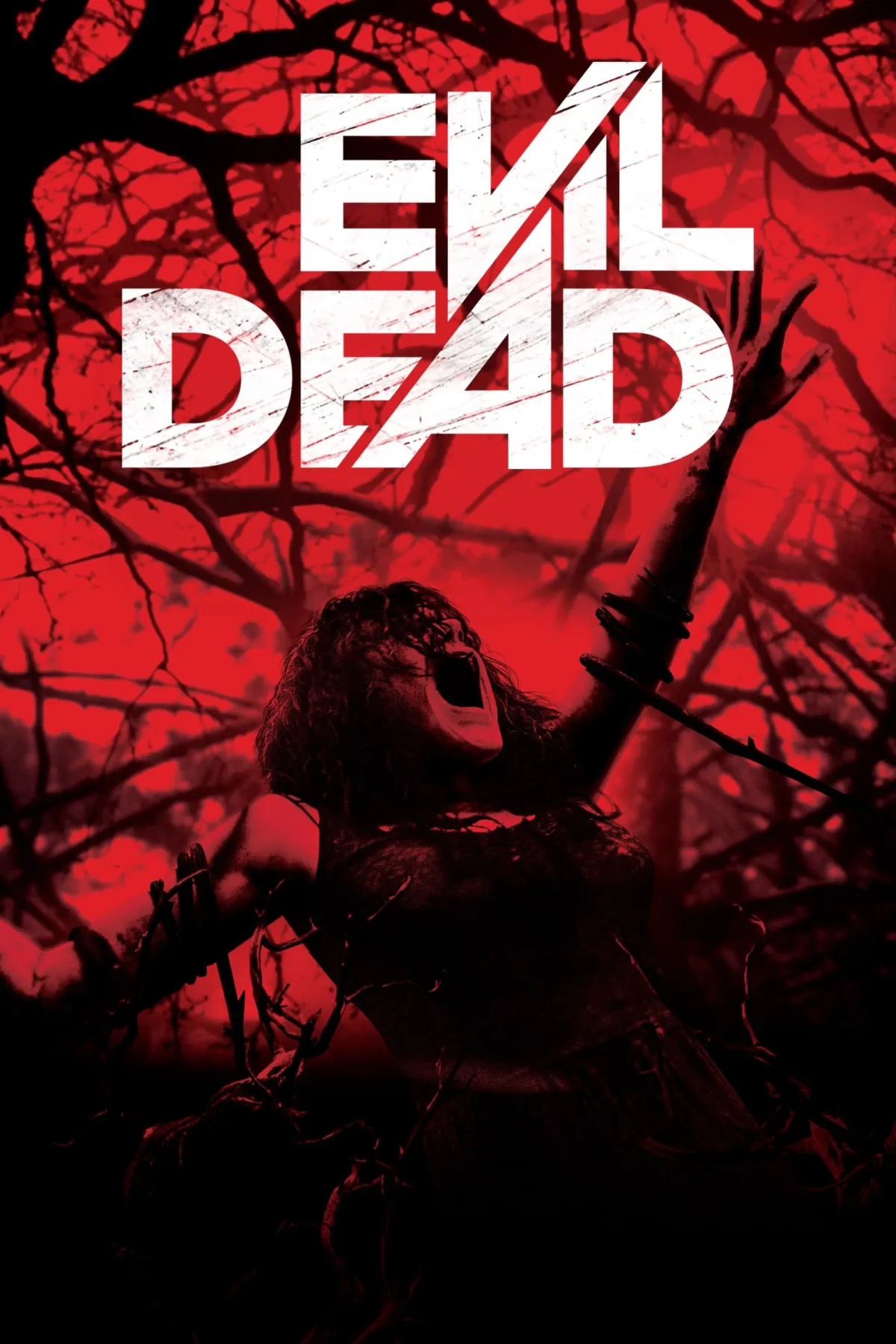 Photo: The Evil Dead, via static1.srcdn.com
The BBFC's own archives reveal the fascinating evolution of British sensibilities. Films once considered shocking enough to warrant outright bans now carry standard 18 certificates, their controversial content contextualised rather than censored. This journey from prohibition to acceptance creates multiple collecting opportunities: the original cut versions, the censored releases, and finally, the vindicated complete editions.
The Underground Railroad of Region-Free Players
Britain's censorship history created an entire parallel economy of import DVDs and region-free players. Collectors learned to navigate international markets, seeking out uncut European releases or uncensored American editions of films that remained heavily trimmed in the UK.
This underground knowledge became a badge of honour among serious collectors. Knowing that the German release of "Maniac" contained footage missing from the British version, or that the Japanese DVD of "Suspiria" featured superior colour timing, marked you as someone who understood that physical media collecting was about more than simply owning films — it was about owning the best possible versions of those films.
"I've got three different releases of 'Dawn of the Dead,'" explains Leeds collector Michael Torres. "The original British VHS with all the BBFC cuts, the uncut Italian DVD, and the restored Anchor Bay edition. Each one tells a different part of the story — not just of the film, but of how Britain slowly learned to trust its audiences."
Boutique Labels as Cultural Archaeologists
The rise of boutique DVD and Blu-ray labels has given new life to Britain's censorship casualties. Companies like Arrow Video, Eureka Entertainment, and 88 Films have made careers out of rescuing forgotten or forbidden titles, presenting them with the scholarly attention once reserved for literary classics.
These releases do more than simply provide access to previously banned content — they contextualise it. Detailed booklets explain the censorship history, expert commentaries analyse the cultural fears that drove prohibition, and comprehensive extras transform controversial films into cultural studies curricula.
The irony isn't lost on collectors: films once considered too dangerous for British audiences are now presented as important cultural artefacts, complete with academic analysis and historical context. The moral panic that created the Video Nasties list has been replaced by scholarly appreciation for the cultural moment it represented.
The Rehabilitation Timeline
Tracking a banned film's journey to legitimacy has become a collector's obsession in itself. The timeline typically follows a predictable pattern: initial ban, underground reputation building, gradual critical reassessment, tentative cut release, and finally, full rehabilitation with an uncut edition.
"Straw Dogs" provides a perfect case study. Banned for decades following its 1971 release, it became a holy grail for collectors who understood its importance to British cinema despite — or perhaps because of — its controversial status. When the BBFC finally passed it uncut in 2002, the DVD release felt like a cultural event.
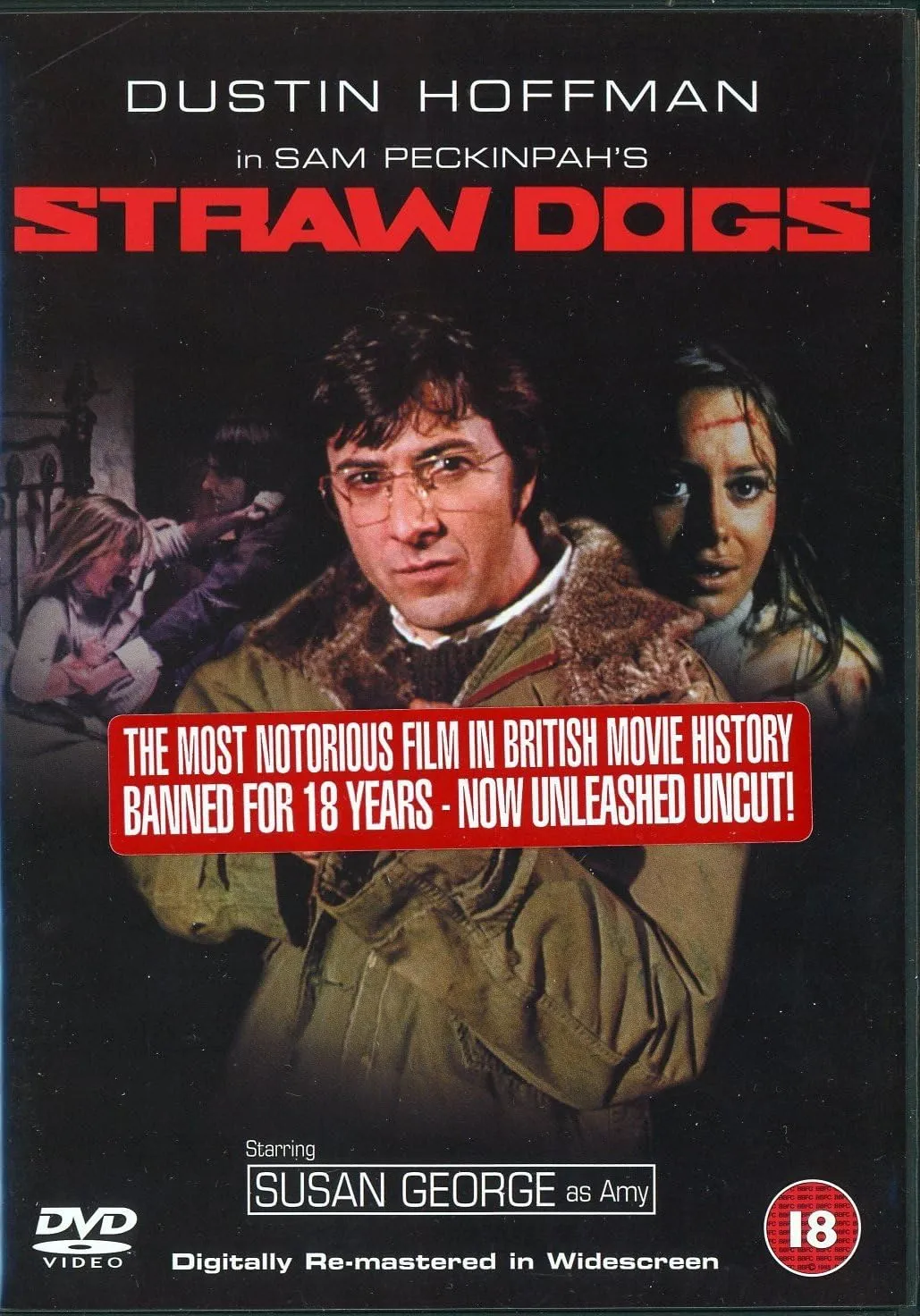 Photo: Straw Dogs, via m.media-amazon.com
These rehabilitation moments create multiple collecting opportunities. The initial cut releases become historical curiosities, documenting the BBFC's gradual acceptance. The uncut editions represent final vindication. And the deluxe reissues — often featuring extensive documentaries about the censorship controversy — transform banned films into cultural education.
More Than Just Movies
What makes censorship-related collecting particularly compelling is its intersection with British social history. These DVDs document not just films, but changing attitudes towards violence, sexuality, and authority. They're archaeological evidence of moral panics, cultural shifts, and the slow evolution of a society learning to trust its own judgment.
Every uncut DVD of a former Video Nasty represents a small victory for artistic freedom. Every comprehensive release that includes censorship history educates a new generation about the dangers of prohibition. And every collector who seeks out these titles participates in a quiet rebellion against the idea that adults need protection from challenging content.
The British censorship legacy created something its architects never intended: a passionate community of collectors dedicated to preserving and celebrating the very films they tried to suppress. In the end, prohibition didn't protect British culture — it enriched it, creating a collector's market that values freedom, context, and the complex relationship between art and authority.
Today's shelves tell the story of a nation that learned to trust its audiences, one DVD release at a time.