More Than Just a Sticker: The Secret History Hidden in Your DVD's BBFC Certificate

The Little Logo That Tells Big Stories
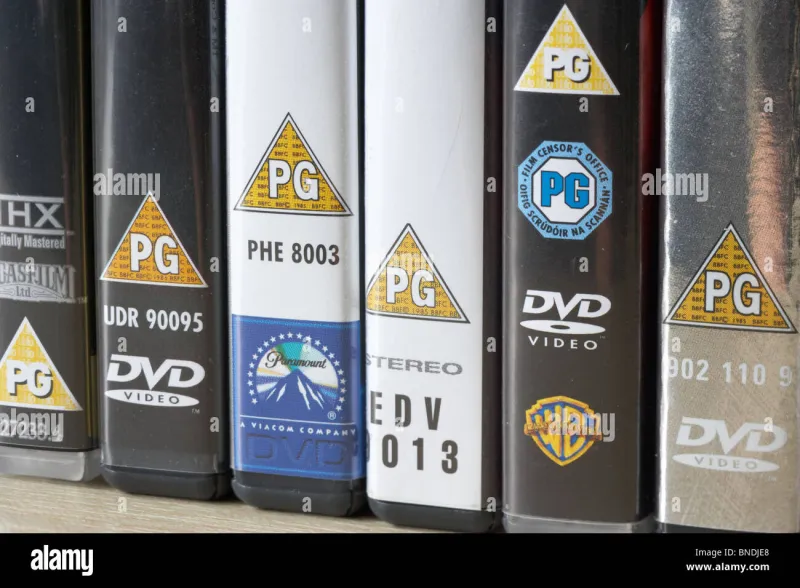
Glance at any British DVD collection and you'll see them everywhere – those familiar coloured circles and rectangles bearing the BBFC's classification symbols. Most people see them as simple age guidance, but for the discerning collector, these certificates are archaeological evidence of censorship battles, cultural shifts, and the complex journey from cinema screen to living room shelf.
"I can tell you the entire history of a film just by looking at the certificate," explains Martin Hewitt, a collector from Birmingham whose 4,000-strong collection spans five decades of British home video. "A 15 certificate from 1987 tells a completely different story to the same film getting an 18 in 2003, then dropping back to 15 in the 2010 re-release."
The certificate isn't just decoration – it's a crucial piece of the puzzle that determines not just what you're watching, but how complete that experience might be.
The Scissors and the Shelf
Perhaps the most infamous example sits innocuously on thousands of British shelves: the 2003 Universal DVD release of 'The Texas Chain Saw Massacre'. The bright red 18 certificate looks unremarkable, but collectors know it represents one of the BBFC's most controversial decisions. Despite the 18 rating, the disc contains the heavily cut version that removed over a minute of footage.
"It's mad when you think about it," says Rebecca Chen, who runs a specialist horror DVD shop in Manchester. "You've got an 18-rated disc that's actually more censored than some 15-rated releases from other countries. The certificate becomes misleading – it's telling you about the rating process, not the content you're actually getting."
This disconnect between certificate and content has created an entire subspecialty among British collectors. They've learned to decode not just the rating, but the small print surrounding it. The presence of specific BBFC case numbers, the exact wording of content warnings, even the font variations can indicate which version of a film you're purchasing.
Reading Between the Lines
Take the curious case of 'A Clockwork Orange'. Stanley Kubrick's decision to withdraw the film from British circulation in 1973 created a unique situation when DVDs finally appeared in 2000. The certificate tells only part of the story – collectors know to look for the specific Warner Home Video release that includes the documentary 'Forbidden Fruit', which itself carries a separate 15 certificate.
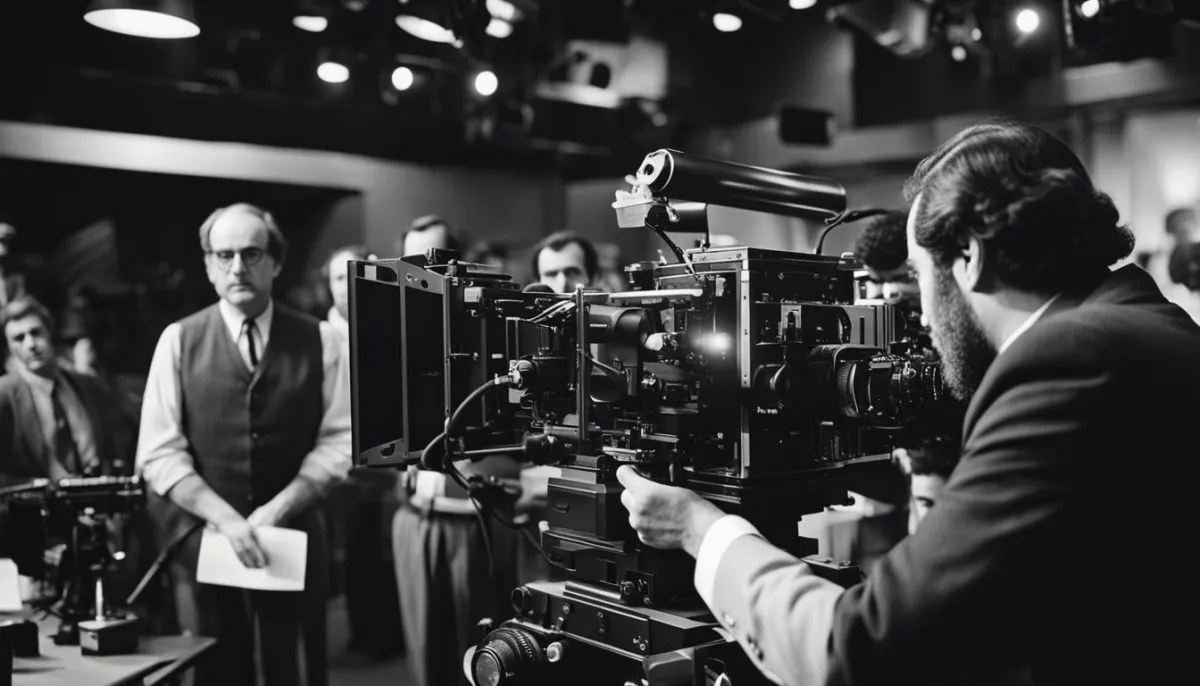 Photo: Stanley Kubrick, via images.squarespace-cdn.com
"The really savvy collectors check the runtime against the certificate," explains David Morrison, who specialises in controversial British releases. "A film certified at 137 minutes but running 134 minutes on the disc tells you immediately that cuts have been made, even if it's not explicitly stated."
Some certificates have become more valuable than the films themselves. The original Anchor Bay release of 'The Evil Dead' carries a certificate that represents the first time the film was passed uncut in Britain. For collectors, that little logo represents a significant moment in British censorship history.
The Evolving Standards
What makes BBFC certificates particularly fascinating is how they reflect changing social attitudes. Films that received restrictive ratings in the 1980s often find themselves downgraded decades later, whilst others move in the opposite direction as sensitivity around certain issues increases.
'Life of Brian' provides a perfect case study. Originally awarded an AA certificate (equivalent to today's 15), the film's DVD releases have consistently maintained a 15 rating. But look carefully at different pressings and you'll notice subtle changes in the content warnings – early releases focus on "mild blasphemy", whilst later versions emphasise "moderate language" instead.
"The BBFC has become much more transparent about their reasoning," notes Sarah Williams, a media studies lecturer who collects British horror films. "Modern certificates include detailed explanations that would have been unthinkable in the 1980s. It's like having the censor's working notes printed right on the sleeve."
Regional Revelations
British collectors often don't realise how unique their certificates are until they start exploring international releases. The BBFC's approach to classification differs significantly from other countries, creating situations where British DVDs offer genuinely different viewing experiences.
'Robocop' demonstrates this perfectly. The American R-rated version and the British 18-rated version aren't the same film. The BBFC required specific cuts that were never made to US releases, meaning British collectors seeking the complete version need to look beyond domestic releases.
"I've got three different versions of 'The Wild Bunch'," explains collector James Patterson from Edinburgh. "The original British VHS was heavily cut, the initial DVD was slightly longer, and the 2005 special edition finally presented the complete film. Each has a different certificate, and each tells part of the story of British censorship."
The Collector's Decoder Ring
Experienced collectors have developed an almost forensic approach to reading certificates. They know that certain distributors were more likely to accept cuts than others, that specific time periods saw stricter or more lenient standards, and that some certificates hide fascinating stories.
The presence of multiple certificates on a single release often indicates a troubled history. 'Natural Born Killers' carries both cinema and video certificates on many British DVDs, reflecting the different standards applied to theatrical and home video releases.
"When you see a film with both 18 and R18 certificates listed, you know you're looking at something that pushed boundaries," explains Morrison. "The R18 might only apply to deleted scenes or special features, but it tells you the distributors were working right at the edge of what was acceptable."
Modern Mysteries
Even in the digital age, BBFC certificates continue to create collector puzzles. Streaming services often carry different versions of films than their physical counterparts, and the certificate becomes the key to understanding which version you're getting.
'The King's Speech' famously exists in both 12A and 15-rated versions, with the difference being a single use of strong language. British DVD collectors know to check not just the certificate, but the packaging details to ensure they're getting their preferred version.
The Future of the Certificate
As physical media faces an uncertain future, the BBFC certificate has taken on additional significance. It's become not just a classification tool, but a historical document that captures a specific moment in British cultural attitudes.
"In fifty years' time, these certificates will be fascinating primary sources," predicts Williams. "They'll tell future researchers more about British society than many of the films themselves."
For today's collectors, the certificate remains an essential piece of the puzzle. It's proof of provenance, a guarantee of content, and sometimes a warning that what's on the disc might not match what was originally intended.
Next time you're browsing the shelves at Beck's DVDs, take a moment to really look at those certificates. Behind every coloured logo lies a story of cultural negotiation, artistic compromise, and the ongoing tension between creative freedom and social responsibility. In the world of DVD collecting, the certificate isn't just guidance – it's archaeology.