The Charity Shop Renaissance
Walk down any British high street and you'll spot them: the unassuming frontages of Oxfam, British Heart Foundation, and countless local charity shops. But behind those familiar glass doors lies something remarkable – a constantly rotating treasure trove that's become essential territory for serious DVD collectors.
What started as simple donation sorting has evolved into something far more sophisticated. Many charity shops now employ volunteers and staff who understand the difference between a standard release and a limited edition steelbook. Walk into a well-curated charity shop today, and you might find DVDs sorted by genre, rarity carefully considered in pricing, and even dedicated media sections that rival some commercial retailers.
The New Rules of Engagement
Charity shop DVD hunting operates on its own unwritten code. Seasoned collectors know to visit regularly – not weekly, but daily if possible. Stock turnover means that Monday's bare shelves can become Tuesday's goldmine. The key is building relationships with staff who'll often hold back interesting donations for regular customers.
Timing matters enormously. Post-Christmas periods see an influx of unwanted gift sets, whilst house clearances following bereavements often yield the most remarkable collections. One Manchester collector we spoke to discovered an entire Criterion Collection donated in a single batch, priced at 50p each because the volunteer simply didn't recognise the distinctive covers.
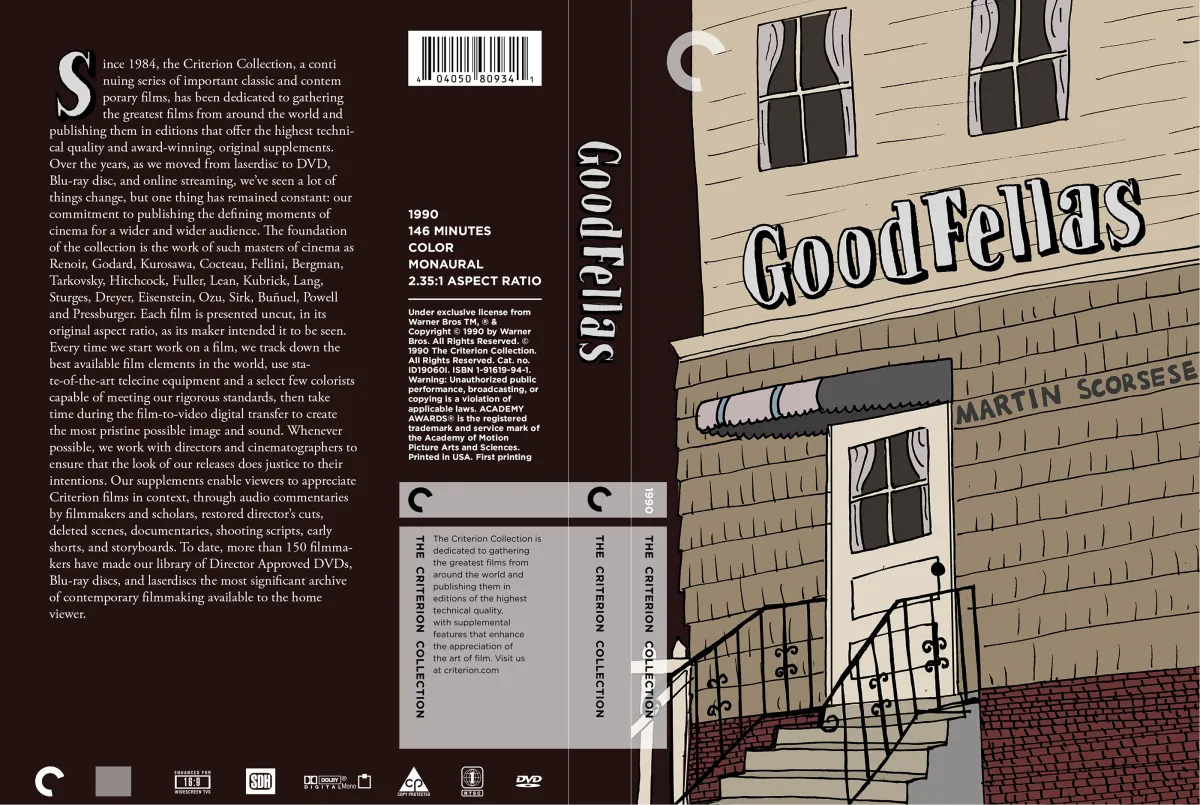 Photo: Criterion Collection, via mir-s3-cdn-cf.behance.net
The etiquette is crucial too. Experienced hunters never clear entire sections or hoard discoveries. They understand that charity shops exist for fundraising first, collecting second. The best collectors become genuine customers, supporting the cause whilst pursuing their passion.
Tales from the Frontline
Sarah from Birmingham discovered a factory-sealed copy of 'Withnail and I' Criterion edition in her local Sue Ryder shop, priced at £1. "The volunteer mentioned it had been sitting there for weeks because nobody wanted 'an old film about drinking'," she laughs. That particular release now commands £150+ on the secondary market.
Meanwhile, James from Edinburgh built an entire Hammer Horror collection through charity shop finds. "Over two years, I've assembled nearly every Hammer release, spending maybe £30 total. The same collection would cost hundreds retail."
But it's not just about monetary value. These shops offer access to forgotten gems – foreign films that never received wide release, BBC productions that briefly appeared on DVD before vanishing, documentaries that mainstream retailers never stocked. They're cultural archaeology in action.
The Changing Landscape
Charity shops are adapting to the digital age in fascinating ways. Some now research valuable donations online before pricing. Age UK shops often separate premium items for eBay sales rather than shop floors. This evolution reflects growing awareness that donated media can be genuinely valuable.
Yet this sophistication brings challenges. Where charity shops once priced everything at uniform rates, many now employ tiered pricing. A rare Criterion release might cost £5 rather than 50p. Some collectors worry this threatens the democratic nature of charity shop hunting.
However, most shops still rely on volunteers with varying expertise levels. For every knowledgeable volunteer, there are several who can't distinguish between standard and special editions. This knowledge gap ensures opportunities persist for dedicated hunters.
Regional Variations
Charity shop culture varies dramatically across Britain. London shops face intense competition from professional resellers who systematically visit multiple locations. Provincial towns often offer better hunting grounds, with less competition and more relaxed atmospheres.
Scottish charity shops seem particularly well-stocked with BBC productions and British television series. Welsh shops often yield surprising international cinema collections. Northern English industrial towns frequently harbour working-class film collections that mainstream retailers never properly served.
The Future of Charity Shop Collecting
As streaming dominates entertainment consumption, charity shops receive increasingly valuable DVD donations. People clear physical collections without understanding their worth, creating opportunities for knowledgeable collectors.
Some charity chains are professionalising their media operations. Oxfam now operates specialist music and book shops; DVD-focused outlets may follow. This could concentrate the best finds whilst reducing opportunities for casual discovery.
Yet the fundamental appeal endures: the possibility that today's visit might uncover something extraordinary. In an increasingly predictable retail environment, charity shops maintain genuine surprise. They're democratic institutions where anyone with persistence and knowledge can discover treasures.
Making the Most of Your Hunt
Successful charity shop collecting requires patience, regularity, and genuine enthusiasm for discovery. Build relationships with staff, understand local delivery schedules, and remember that supporting these organisations benefits communities whilst feeding your collecting passion.
Most importantly, approach charity shop hunting with realistic expectations but genuine optimism. You might not find a grail every visit, but you'll almost certainly discover something interesting – whether it's a forgotten gem, a childhood favourite, or simply a film you'd never considered watching.
In Britain's charity shops, every donation tells a story. For collectors willing to listen, these stories can lead to the most rewarding discoveries of all.