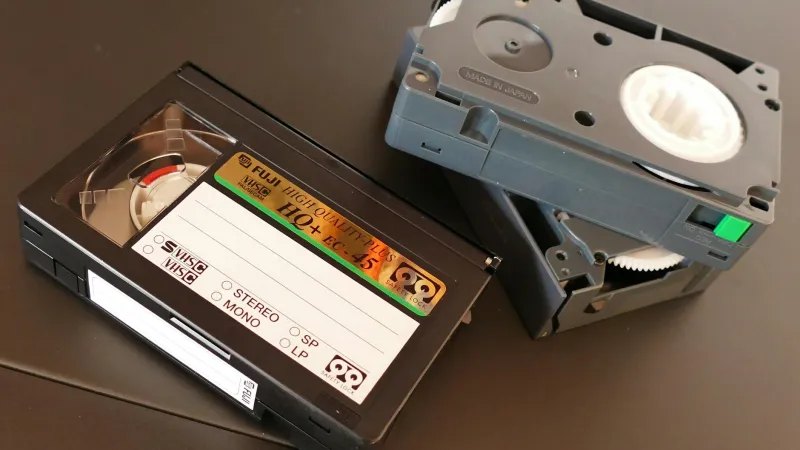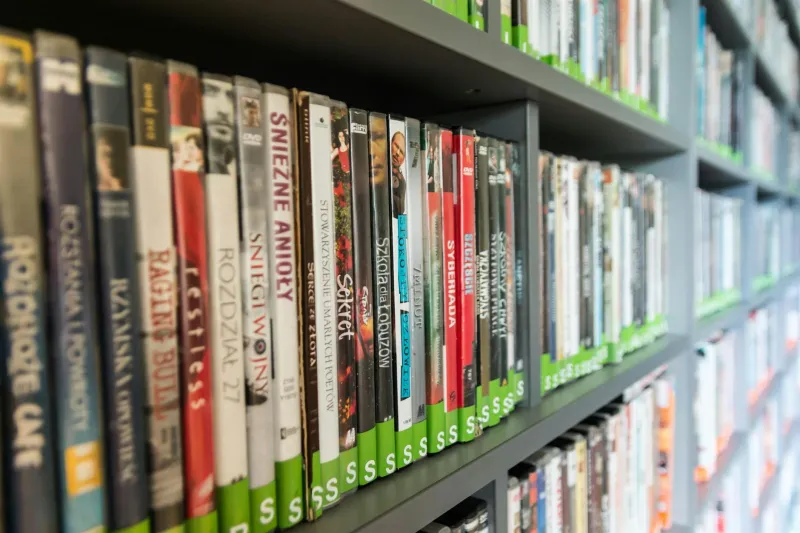
In an age where we expect every film to be a few clicks away, it's sobering to discover just how many British cinema classics have been left behind by the streaming revolution. While algorithms push the latest blockbusters and trending series, some of our most cherished homegrown productions remain accessible only to those wise enough to maintain a physical collection.
The reality is stark: streaming platforms operate on commercial viability, not cultural preservation. If a title doesn't generate sufficient viewing hours or if licensing costs outweigh projected returns, it simply doesn't make the cut. For British cinema, this has created a peculiar digital dark age where entire swathes of our film heritage exist in limbo.
The Comedy Casualties
British comedy has always been our secret weapon, yet streaming services have overlooked some absolute gems. Take "Withnail & I" (1987) – a film so quotable it's practically entered the national lexicon. Despite its cult status and regular appearances on 'greatest British films' lists, it's nowhere to be found on major streaming platforms. The licensing complexities around its soundtrack, featuring everything from Procol Harum to Hendrix, make it a streaming nightmare but a DVD essential.
Similarly, "A Fish Called Wanda" (1988) – which earned Jamie Lee Curtis an Oscar nomination and remains one of the funniest British exports – is frustratingly absent from streaming catalogues. The film's international co-production status and complex rights ownership mean it's trapped in licensing limbo, leaving DVD collectors as the sole guardians of this comedy masterpiece.
The Carry On films present another curious case. Whilst a handful occasionally surface on streaming platforms, the complete collection – all 31 films spanning three decades of British humour – exists in its entirety only on physical media. For collectors seeking the full spectrum of Kenneth Williams' camp delivery and Sid James' infectious laugh, DVDs remain the only reliable option.
Kitchen Sink Dramas in Digital Drought
The British New Wave of the late 1950s and 1960s revolutionised cinema, yet many of these groundbreaking films have been abandoned by streaming algorithms. "Saturday Night and Sunday Morning" (1960), which launched Albert Finney's career and captured working-class life with unprecedented honesty, is virtually impossible to stream legally in the UK.
"The Loneliness of the Long Distance Runner" (1962) and "This Sporting Life" (1963) – both pivotal works that influenced generations of filmmakers – suffer similar fates. These aren't obscure art house experiments; they're foundational texts of British cinema that shaped everything from Ken Loach to Shane Meadows. Yet without a DVD collection, they might as well not exist for modern audiences.
The licensing issues here often stem from fragmented rights ownership. When production companies fold or are absorbed by larger entities, the legal paperwork becomes a maze that streaming platforms simply can't be bothered to navigate.
Horror's Hidden Gems
British horror enjoys a renaissance on streaming platforms, but significant gaps remain. The Amicus Productions catalogue – those brilliant 1970s portmanteau horrors like "Tales from the Crypt" (1972) and "The House That Dripped Blood" (1971) – are largely missing from digital platforms.
These anthology films, featuring stellar British casts including Peter Cushing, Christopher Lee, and Diana Rigg, represent a uniquely British approach to horror storytelling. Their absence from streaming isn't due to lack of interest – horror fans are voracious consumers – but rather the complex web of international distribution rights that made sense in the 1970s but create headaches today.
Even more frustrating is the fate of "The Wicker Man" (1973). While the inferior 2006 remake occasionally appears on streaming services, the original British masterpiece – consistently voted one of the greatest horror films ever made – remains elusive online. Rights disputes and multiple versions (theatrical, director's cut, extended cut) have created a legal quagmire that only physical media can sidestep.
The Licensing Labyrinth
Understanding why these films remain streaming-free requires delving into the Byzantine world of media rights. Many British films from the 1960s-1980s were produced under complex international co-financing deals. A single film might have different distributors for theatrical, television, and home video rights across various territories.
Music rights present another obstacle. Period films and those featuring popular songs face astronomical licensing fees for streaming rights. The music industry learned to extract maximum value from synchronisation rights, making it prohibitively expensive to clear classic soundtracks for streaming platforms operating on tight margins.
Then there's the simple matter of commercial priorities. Streaming platforms focus on content that generates binge-watching sessions and social media buzz. A brilliant but contemplative 1960s drama might be critically acclaimed, but it won't drive subscriber numbers like the latest Nordic noir series.
The Collector's Advantage
This digital divide creates a compelling argument for maintaining a physical collection. DVD collectors aren't just hoarding plastic discs; they're preserving access to British cinema history. When streaming licences expire or platforms decide certain content isn't commercially viable, DVD owners remain unaffected.
Moreover, many of these 'lost' films exist on DVD with superior extras – commentary tracks, documentaries, deleted scenes – that streaming platforms rarely accommodate. The Criterion Collection and BFI releases often transform these viewing experiences into educational journeys through British film history.
Building Your Archive
For collectors looking to plug these streaming gaps, second-hand markets offer treasure troves. Charity shops, car boot sales, and online marketplaces frequently yield rare finds at bargain prices. The key is knowing what to look for – and understanding that today's overlooked DVD might be tomorrow's impossible-to-find classic.
Certain distributors specialise in British cinema preservation. The BFI's Flipside collection rescues forgotten gems, while labels like Network and Simply Media focus specifically on British television and film. These releases often represent the only way to experience these works in decent quality.
The Future of Physical Preservation
As streaming dominates and physical media sales decline, the films discussed here face an uncertain future. Without collector demand, distributors have little incentive to maintain catalogue titles on DVD. This creates a feedback loop where decreased availability leads to reduced awareness, which further diminishes commercial viability.
The irony is palpable: in an era of unprecedented media access, significant chunks of British cinema remain harder to see than ever. While streaming platforms expand globally, our own cultural heritage becomes increasingly inaccessible to casual viewers.
For those of us at Beck's DVDs, this situation reinforces the vital role of physical media collectors. You're not just building personal libraries; you're maintaining access to British cinema history. Every time you purchase a DVD of an overlooked British classic, you're voting for its continued availability and cultural relevance.
In a digital world obsessed with the algorithm's next recommendation, sometimes the most radical act is simply keeping these films alive on our shelves – ready for the moment when curiosity strikes and streaming inevitably fails to deliver.