A Different Kind of Saturday Night
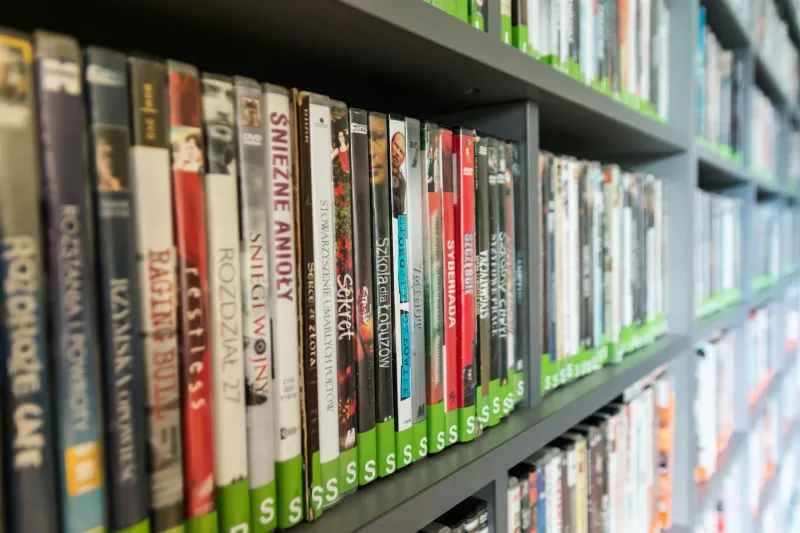
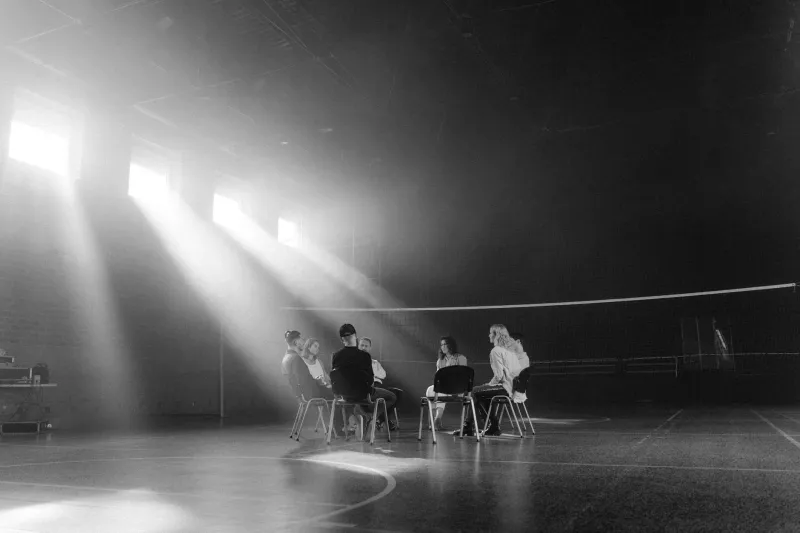
In a cosy back room of The King's Head in Hampstead, something remarkable happens every third Saturday of the month. Around twenty people gather with carrier bags full of DVDs, but this isn't your typical car boot sale. Welcome to the world of Britain's DVD trading nights—intimate gatherings where collectors swap discs, share stories, and prove that physical media culture is far from dead.
"It started when I realised I had three copies of 'The Italian Job' and no one to talk to about why the Paramount edition was superior," laughs Sarah Chen, who organises the North London DVD Circle. "Now we've got regulars who travel from Surrey just for the conversation."
These grassroots events are sprouting up across Britain, from community centres in Glasgow to church halls in Brighton. Unlike the frantic rummaging of car boot sales or the clinical efficiency of eBay, these gatherings prioritise connection over commerce.
More Than Just Swapping
What sets these trading nights apart isn't just the absence of cash transactions—it's the curation and conversation that flows naturally between collectors. At a typical evening in Manchester's Northern Quarter, participants don't simply dump their unwanted titles on a table. Instead, they present carefully selected offerings, each with its own story.
"I brought along my duplicate copy of 'This Is England' because I knew Dave would appreciate the commentary track," explains collector James Morrison. "In return, he introduced me to some brilliant Korean cinema I'd never heard of. You can't get that experience clicking 'Buy It Now' at 2am."
The social element extends beyond the trades themselves. Many groups have developed rituals: screening obscure finds together, sharing preservation tips, or even organising themed evenings around specific genres or decades.
Building Bridges, Not Barriers
These events attract a surprisingly diverse crowd. Teachers swap classroom-appropriate titles with parents seeking half-term entertainment. Film students discover criterion rarities from retired projectionists. Horror enthusiasts bond with comedy collectors over shared appreciation for quality packaging.
"We've had everyone from teenagers discovering Hitchcock to pensioners sharing their original Star Wars trilogy," notes Emma Phillips, who runs monthly swaps in her Cardiff living room. "The age range is incredible—physical media seems to transcend generational divides in ways streaming never could."
The inclusive nature of these gatherings stands in stark contrast to the sometimes intimidating world of high-end collecting. Here, a battered copy of 'Eastenders: The Slater Family' holds equal social value to a pristine Criterion edition.
The Anti-Algorithm Experience
In an age where algorithms predict our viewing preferences, these trading nights offer something refreshingly unpredictable. Recommendations come with human context, personal enthusiasm, and the kind of nuanced understanding that no AI can replicate.
"Someone will press a DVD into your hands and say 'Trust me, just watch the first ten minutes,'" describes regular attendee Marcus Thompson. "That personal endorsement carries weight that no five-star review ever could."
This human curation often leads to unexpected discoveries. Collectors report finding genres they'd never considered, foreign films they'd overlooked, and television series that had completely escaped their radar.
Practical Magic
The logistics of these events vary widely, but most operate on simple principles. Participants typically bring items they're willing to trade—duplicates, impulse purchases that disappointed, or titles they've outgrown. The unspoken etiquette emphasises fairness: a recent blockbuster might trade for two older titles, while rare imports command premium exchanges.
"There's an honour system that just works," observes Helen Davies, whose Birmingham group has been meeting for two years without a single dispute. "People genuinely want to see others find something they'll love."
Some groups maintain informal wish lists, with members actively seeking specific titles for fellow collectors. This collaborative approach transforms individual collections into community resources.
The Future of Physical
As streaming services fragment content across multiple platforms and beloved titles vanish without warning, these trading communities offer something increasingly valuable: permanence and control. Members frequently discuss the frustration of losing access to films they've paid to stream, reinforcing their commitment to physical ownership.
"When Netflix removed 'The Office' for the third time, our trading group suddenly had five people looking for the complete DVD set," recalls organiser Tom Bradley. "We sorted everyone out within a fortnight."
These gatherings also serve as informal education centres, where newcomers learn about region coding, special features, and the subtle differences between various editions—knowledge that proves invaluable when building a collection.
Beyond the Living Room
The success of these intimate gatherings has inspired larger initiatives. Some groups organise charity swaps, where unwanted discs find new homes whilst raising funds for local causes. Others partner with libraries and community centres, bringing the social aspect of collecting to even wider audiences.
"We're not trying to convert the world back to physical media," explains Sarah Chen. "We're just proving that for those of us who never left, there's still a vibrant community waiting to welcome you home."
In an increasingly digital world, Britain's DVD trading nights represent more than nostalgia—they're proof that some experiences simply cannot be replicated online. As these communities continue to grow, they're writing a new chapter in the story of British film culture, one carefully curated swap at a time.