The Weight of Memory in Your Hands
There's something peculiarly British about our relationship with physical media. Perhaps it's our natural hoarding instincts, or maybe it's the same sentiment that keeps us queuing politely for everything from buses to Greggs. Whatever the reason, we've never quite let go of the idea that entertainment should have weight, substance, and a proper place on the shelf.
Walk into any British home built before 2010, and you'll likely find the archaeological layers of our viewing evolution: a dusty VHS collection tucked beneath the telly, DVD towers flanking the fireplace, and perhaps a modest Blu-ray section claiming prime real estate. Each format tells a story not just of technological progress, but of Friday nights, family traditions, and the peculiar joy of ownership.
The Ritual of the Friday Night Hunt
For those of us who remember life before Netflix, Friday evenings held a particular magic. The weekly pilgrimage to Blockbuster, HMV, or your local independent video shop wasn't just about securing entertainment—it was a social ritual as ingrained as the pub quiz or Sunday roast.
The browsing was half the pleasure. Running your fingers along those plastic spines, debating between the latest blockbuster and that foreign film you'd been meaning to watch, negotiating with family members over the evening's selection. The assistant behind the counter knew your preferences better than any algorithm ever could. "Got anything like The Full Monty but, you know, different?" was a perfectly reasonable request that would yield surprisingly good recommendations.
Then came the ceremony of unwrapping. That satisfying crack of the cellophane, the anticipation as you opened the case, checking the disc wasn't scratched, reading the blurb on the back even though you'd already decided. It was tactile in a way that clicking 'play' on a streaming service simply isn't.
When DVDs Conquered Britain
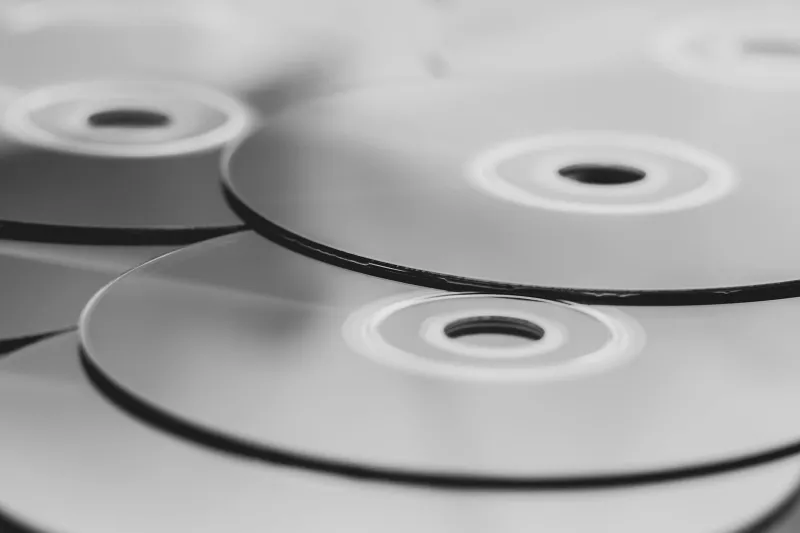
The late 1990s and early 2000s marked the golden age of British home video collecting. DVDs arrived with the promise of perfect picture quality, no rewinding, and—revolutionary at the time—special features. Suddenly, owning a film meant owning a complete experience: director's commentaries, deleted scenes, behind-the-scenes documentaries that were often more entertaining than the main feature.
British retailers embraced the format with characteristic enthusiasm. Tesco began stocking DVDs alongside the weekly shop, WHSmith dedicated entire floors to entertainment, and specialist stores like HMV became weekend destinations. The £3 DVD became a cultural phenomenon—impulse purchases that filled our collections with everything from Love Actually to obscure BBC documentaries about Victorian sewage systems.
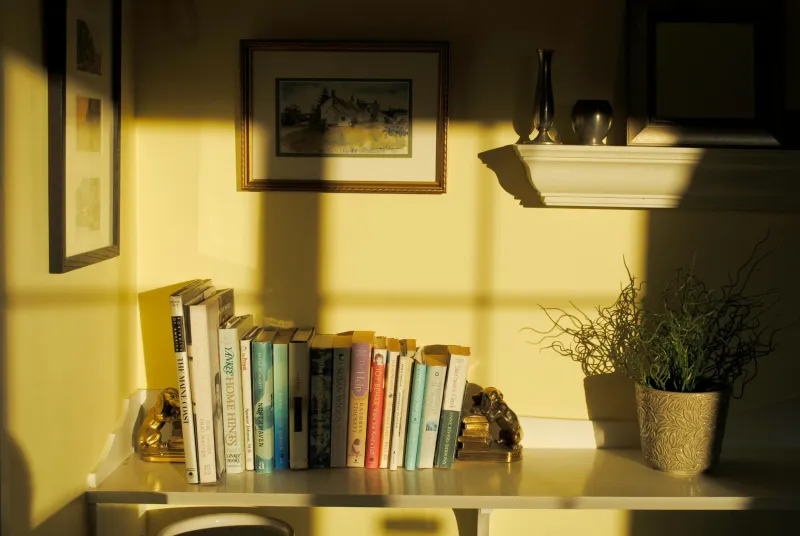
Collectors developed sophisticated systems: alphabetical ordering, genre separation, the eternal debate over whether TV series belonged with films or in their own section. These weren't just storage solutions; they were personal libraries that reflected taste, aspiration, and identity.
The Emotional Architecture of Ownership
What streaming services have never quite managed to replicate is the emotional weight of ownership. A physical collection isn't just about convenience—it's about creating a personal archive of meaningful experiences. That battered copy of Four Weddings and a Funeral represents more than a romantic comedy; it's every viewing with different friends, partners, family members over the years.
There's security in physical ownership that digital libraries can't match. When Netflix removes your favourite series, you feel betrayed. When your internet goes down, your streaming queue becomes useless. But that shelf of DVDs? It's yours, come hell or high water bills.
British collectors often speak of their collections with genuine affection. They know exactly where to find The Office Christmas specials, can locate Withnail and I blindfolded, and take pride in owning every David Attenborough series ever released. These aren't just entertainment choices; they're curated expressions of personal taste.
The Sensory Experience of Physical Media
Streaming has optimised for convenience, but in doing so, it's lost something essentially human: the sensory experience of media consumption. Physical media engages multiple senses in ways that clicking an icon never can.
The visual impact of a well-organised collection creates a sense of accomplishment that a digital library lacks. The tactile pleasure of handling cases, reading liner notes, and discovering Easter eggs hidden in menu systems. Even the slight inconvenience of changing discs creates natural breaks that enhance the viewing experience—time to discuss, reflect, or simply appreciate what you've just watched.
There's also the delicious anticipation that comes with delayed gratification. Ordering a special edition box set and waiting for delivery, planning an evening around a particular film, the ceremony of unwrapping something you've been looking forward to. Instant access, for all its convenience, has eliminated these small pleasures.
The Collectors' Resistance Movement
While the mainstream market has largely moved digital, a dedicated community of British collectors continues to champion physical media. They understand something that streaming services are only beginning to acknowledge: people want to own the things they love.
These collectors aren't just nostalgic traditionalists—they're often the most informed consumers in the market. They know about region coding, understand the difference between various restoration processes, and can spot a poor transfer from across the room. They're keeping alive not just formats, but knowledge and appreciation for the craft of home video production.
Looking Forward, Holding On
As we move further into the streaming age, the emotional connection to physical media hasn't diminished—if anything, it's intensified. In a world of endless choice and algorithmic recommendations, there's something deeply satisfying about the finite, curated nature of a personal collection.
The British love affair with physical media isn't really about the technology—it's about the relationship between people and their entertainment. It's about creating personal spaces filled with stories that matter, building collections that reflect who we are and who we've been. In an increasingly digital world, that's not just nostalgic—it's necessary.
After all, when the Wi-Fi goes down and the streaming services are unavailable, there's nothing quite like the reassuring presence of your own personal entertainment library, waiting patiently on the shelf, ready to deliver exactly what you need, exactly when you need it.