The Weight of Choice
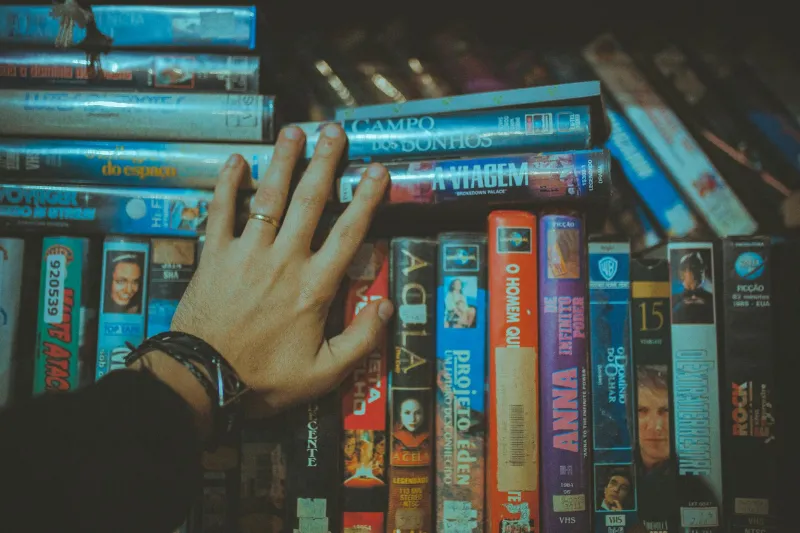
There's a moment every DVD collector recognises – that pause before the shelf, scanning spines, feeling the weight of decision. Which film deserves the next two hours of your life? It's a fundamentally different experience from the endless scroll of streaming thumbnails, and that difference matters more than we might initially realise.
When you own a film on DVD, you've made an investment. Not just financial, though that matters, but emotional and spatial. This disc has earned a place in your home, on your shelf, in your life. That investment changes everything about how you experience the story it contains.
The Ritual of Engagement
Consider the physical process of watching a DVD: you've chosen the film deliberately, removed it from its case, handled the disc, navigated menus that someone designed specifically for this release. You've committed to this choice in a way that clicking "play" on a streaming service simply cannot match.
This ritual of engagement primes your brain for deeper attention. Psychologists call it the "effort justification effect" – we value experiences more when we've invested effort in accessing them. The small friction of physical media, far from being a disadvantage, actually enhances our appreciation of what we're about to watch.
Dr. Jennifer Matthews, a media psychologist at Birmingham University, explains: "When we have to make deliberate choices about our entertainment, rather than being served algorithmic suggestions, we're more likely to engage actively with the content. The physical act of selecting and playing a DVD creates what we call 'intentional viewing' – a state where the viewer is primed for deeper engagement."
The Comfort of Permanence
Streaming services have trained us to view entertainment as ephemeral. Films appear and disappear from platforms without warning, creating a subtle anxiety about access. Will your favourite film still be there next month? Next year? This uncertainty fundamentally alters our relationship with the stories we love.
DVD ownership offers something streaming cannot: permanence. That copy of "Local Hero" on your shelf will be there whenever you need it, unchanged and unchanging. This security transforms how we relate to our favourite films – they become reliable friends rather than temporary acquaintances.
"I know it sounds daft, but there's genuine comfort in knowing my favourite films are always there," says Margaret Thompson, a retired teacher from Yorkshire whose collection spans over 800 DVDs. "When I've had a difficult day, I don't want to discover that 'The Full Monty' has been removed from Netflix. I want to know it's waiting for me on the shelf."
The Architecture of Memory
Physical media creates what researchers call "memory anchors" – tangible objects that trigger detailed recollections of when and why we acquired them, previous viewings, and the emotions associated with specific films. The sight of a DVD spine can instantly transport you back to the cinema where you first saw the film, the friend who recommended it, or the mood you were in when you bought it.
This is profoundly different from streaming's algorithmic memory, which reduces your viewing history to data points used to generate recommendations. Your DVD shelf is a physical manifestation of your cinematic journey, each spine representing not just a film but a moment in your life when that story mattered enough to own.
The Democracy of Discovery
Streaming algorithms, for all their sophistication, create echo chambers. They show you more of what you've already watched, gradually narrowing your cinematic horizons. DVD collecting encourages the opposite behaviour – browsing charity shops, exploring second-hand sections, taking chances on unfamiliar titles based on cover art or a compelling synopsis.
"Half my favourite films are ones I'd never have discovered through Netflix," explains David Chen, a collector from Manchester. "I bought 'The Man from Earth' purely because it was £2 in a charity shop and the premise sounded interesting. It's now one of my most treasured films, but I never would have found it through an algorithm."
This serendipitous discovery process doesn't just expand your collection – it expands your taste, challenging you to engage with stories outside your established preferences.
The Social Dimension
A DVD collection is inherently social in ways that streaming libraries aren't. When friends visit, they browse your shelves, making judgements about your taste, discovering shared favourites, borrowing titles that catch their interest. Your collection becomes a conversation starter, a reflection of your personality made visible.
This social aspect extends beyond your living room. Charity shop browsing, car boot sale hunting, and record fair exploration create opportunities for chance encounters with fellow collectors. These interactions – comparing finds, sharing recommendations, debating the merits of different editions – form communities that streaming's individualised experience cannot replicate.
The Deeper Rewatch
Perhaps most significantly, DVD ownership encourages the kind of repeated viewing that allows for true appreciation of cinematic craft. When you own a film, you're more likely to watch it multiple times, noticing details that escaped you initially, appreciating subtleties in performance and direction that only emerge through familiarity.
Streaming's vast libraries paradoxically discourage this deep engagement. With thousands of options available, the impulse is always to watch something new rather than revisit the familiar. DVD collectors, by contrast, often report that their most beloved films become richer with each viewing, revealing new layers of meaning and craftsmanship.
"I've probably watched 'In Bruges' twenty times," says Sarah Williams, a film enthusiast from Edinburgh. "Each time I notice something new – a background detail, a subtle piece of foreshadowing, the way Colin Farrell's performance shifts in scenes I thought I knew by heart. That kind of deep familiarity is only possible when you own the film."
The Curatorial Mindset
Owning physical media transforms you from a consumer into a curator. Every purchase decision becomes an act of curation – does this film deserve space on your shelf? Does it represent something important about cinema, about your taste, about the stories that matter to you?
This curatorial mindset extends beyond individual purchases to the overall shape of your collection. Collectors often speak about "gaps" in their libraries – directors they want to explore more fully, genres they're underrepresented in, or classic films they're embarrassed not to own. This conscious approach to collection building creates more thoughtful, intentional relationships with cinema.
The Tactile Connection
Finally, there's something irreplaceable about the physical relationship with your collection. The weight of a DVD case, the satisfaction of sliding a disc into place, the visual pleasure of a well-organised shelf – these tactile experiences create emotional connections that digital libraries cannot match.
In an increasingly digital world, physical media offers a refuge of tangibility. Your DVD collection exists in the real world, occupies real space, and provides real presence in your home. This physicality grounds your relationship with the stories you love, making them feel more real, more permanent, more truly yours.
In the end, the argument for DVD ownership isn't just about picture quality or special features, though these matter. It's about the fundamental difference between accessing entertainment and truly owning the stories that shape us. In a world of endless options and algorithmic suggestions, the deliberate act of choosing, owning, and rewatching creates space for the kind of deep engagement that transforms casual viewing into lasting appreciation.