The Architects of Discovery
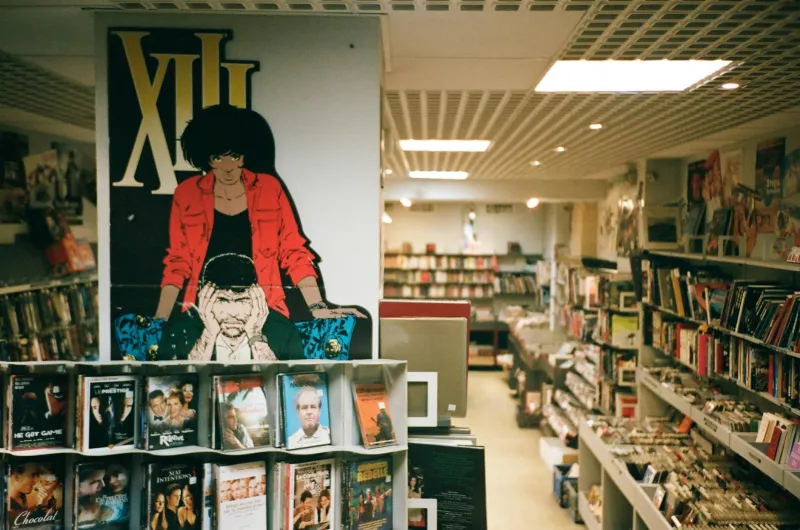
Walk into any remaining independent DVD shop today, and you're witnessing something increasingly rare: human curation at its finest. Behind those carefully arranged shelves lies decades of accumulated wisdom about what makes people stop, browse, and ultimately take a chance on something new.
"It wasn't just about alphabetical order," recalls Sarah Mitchell, who managed a Blockbuster in Manchester for eight years before its closure. "We were storytellers. The way we positioned films could create conversations between titles that would never happen on Netflix."
The golden age of video rental wasn't just about convenience—it was about discovery through deliberate design. Staff picks weren't algorithmic suggestions; they were personal recommendations backed by genuine enthusiasm and an understanding of local tastes.
The Psychology Behind the Placement
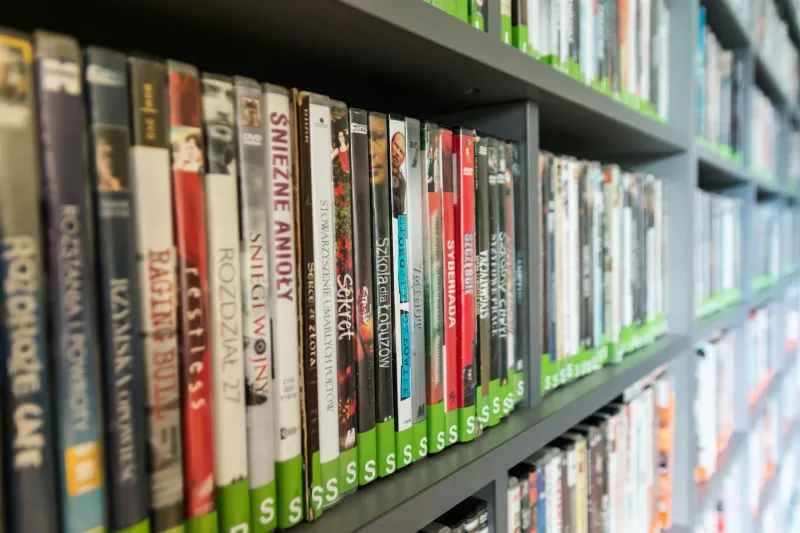
Every seasoned video shop worker developed their own philosophy about shelf psychology. Eye-level placement was premium real estate, reserved for new releases and staff favourites. But the real artistry happened in the transitions between genres and the strategic positioning of cult classics.
"Horror films next to comedies wasn't accidental," explains David Chen, who ran an independent video shop in Brighton for fifteen years. "People renting a scary film often wanted something light for afterwards. We'd position 'Shaun of the Dead' right at the horror-comedy border—it bridged both audiences perfectly."
The most successful shops understood that browsing patterns followed predictable flows. Customers entering would typically scan new releases first, then drift towards their preferred genres. The clever positioning of staff recommendations in these natural sight lines could introduce viewers to films they'd never have found otherwise.
Creating Community Through Curation
Beyond mere product placement, the best video shops functioned as community spaces where film culture thrived. Hand-written shelf talkers—those small cards explaining why staff loved particular titles—became mini film reviews that customers trusted more than professional critics.
"Our regular customers would come in looking for our latest recommendations rather than specific titles," remembers Janet Phillips, who worked at a family-run video shop in Edinburgh. "We knew their tastes better than any algorithm ever could. Mrs Henderson loved period dramas but would try the occasional thriller if I personally recommended it."
These relationships between staff and customers created a feedback loop that refined curation over time. Popular choices would migrate to more prominent positions, while hidden gems found new audiences through persistent staff advocacy.
The Collector's Response
Today, passionate DVD collectors are recreating this curatorial magic in their personal collections. Instead of simple alphabetical arrangements, they're developing sophisticated organisational systems that tell stories and create viewing journeys.
Mark Thompson, whose collection spans over 3,000 DVDs, has organised his shelves using principles borrowed from his local video shop days. "I've got a 'comfort viewing' section for reliable favourites, a 'challenge yourself' area for art house films, and strategic placements that suggest double features."
Some collectors go further, rotating featured selections monthly and creating themed displays that would make former video shop managers proud. These aren't just storage solutions—they're personal museums of cinema that invite exploration.
The Art of the Staff Pick
Perhaps nothing exemplifies the human touch in curation like the staff pick system. Unlike streaming recommendations based on viewing data, staff picks came from genuine passion and deep film knowledge. They represented personal taste willing to be judged by customers.
"I'd stake my reputation on every staff pick," says former HMV employee Rachel Davies. "If someone trusted my recommendation and hated the film, they'd tell me directly. That accountability made us better curators."
The physical nature of these recommendations—cards handwritten and placed next to the actual DVDs—created a tangible connection between recommender and customer that digital interfaces struggle to replicate.
Modern Applications
Some collectors are now applying professional curation techniques to their home setups. They create seasonal rotations, highlighting films appropriate to current events or anniversaries. Others develop sophisticated cross-referencing systems that help friends and family navigate their collections.
"I treat my collection like a library," explains collector Emma Watson (not the actress). "I've got sections for different moods, occasions, and even specific friend groups. When people visit, they can find exactly what suits their current mindset."
The Legacy Lives On
While streaming dominates modern viewing habits, the principles of good curation remain relevant. The best video shop workers understood that choosing what to watch is often harder than the watching itself. Their expertise in guiding that choice process represents a lost art that deserves preservation.
For today's collectors, applying these curatorial principles transforms a simple DVD collection into a living, breathing recommendation engine powered by human insight rather than cold data. It's a reminder that sometimes the best technology for film discovery was always human expertise, carefully displayed on thoughtfully arranged shelves.
In our rush toward digital convenience, we've lost something valuable: the serendipitous discovery that came from trusting another person's taste. The collectors keeping this tradition alive aren't just organising their shelves—they're preserving a piece of film culture that algorithms can never fully replace.