The Unexpected Pipeline
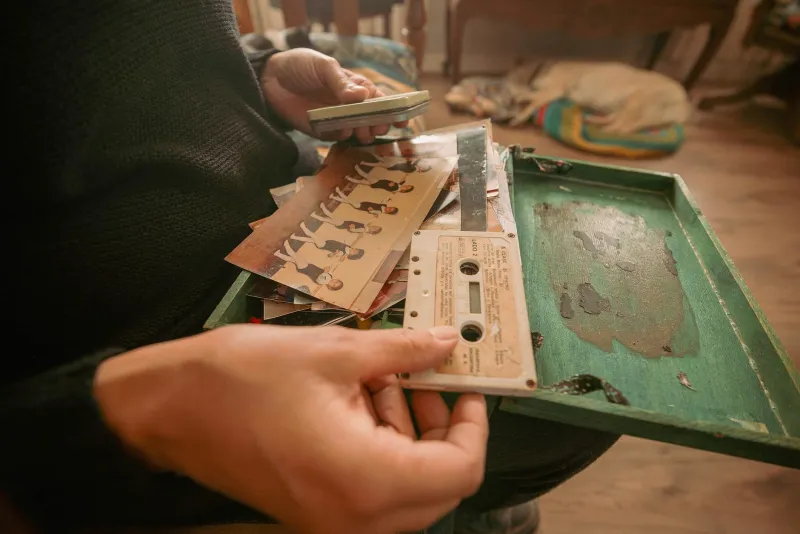
Something curious is happening in Britain's charity shops and second-hand markets. Teenagers and twenty-somethings who grew up entirely in the streaming era are rifling through boxes of old VHS tapes, drawn by YouTube channels celebrating retro media culture and the aesthetic appeal of chunky plastic cases adorned with hand-drawn artwork.
But here's where it gets interesting for DVD collectors: many of these VHS enthusiasts are quietly migrating to DVDs as they discover the practical limitations of tape collecting in 2024.
The VHS Gateway Drug
"I started with VHS because of the aesthetic," explains Sarah Chen, a 19-year-old film studies student from Manchester. "All those YouTube channels showing off collections, the artwork, the whole retro vibe. But when I actually tried watching some of the tapes I'd bought, half of them were degraded or wouldn't play properly."
Sarah's experience reflects a broader pattern emerging across Britain's young collector community. The romance of VHS – fuelled by channels like "VHS Vault" and Instagram accounts celebrating tape culture – draws them in, but the reality of 30-year-old magnetic tape drives them toward more reliable formats.
"DVDs started feeling like this perfect middle ground," Sarah continues. "You still get the physical experience, the artwork, the extras, but everything actually works when you put it in the player."
The Practical Awakening
The transition from VHS curiosity to DVD collecting isn't just about technical reliability. Young collectors are discovering that DVDs offer several advantages that align perfectly with their generation's expectations.
For starters, there's the space factor. Jamie Morrison, 22, from Edinburgh, learned this lesson the hard way: "I was buying VHS tapes from car boot sales, thinking I was building this cool collection. Then I realised I'd spent £50 and could only fit about twelve films on one shelf. My mate showed me his DVD collection – same shelf space, but like 60 films."
The economics make sense too. While rare VHS releases command high prices among serious collectors, mainstream titles remain affordable in the second-hand DVD market. Young collectors on student budgets can build substantial libraries without breaking the bank.
The Social Media Effect
Interestingly, the same social media culture that sparked VHS interest is now driving DVD appreciation among younger collectors. TikTok accounts showcasing "shelfies" and collection tours are increasingly featuring DVDs alongside vinyl records and vintage books as symbols of intentional, curated consumption.
"There's something about physically choosing what to watch that feels rebellious against the algorithm," says Alex Thompson, 20, from Birmingham. "When I scroll through Netflix, I end up watching nothing or rewatching The Office again. When I look at my DVD shelf, I discover films I'd forgotten I owned."
This sentiment echoes throughout interviews with young collectors – the appeal isn't just nostalgic but actively oppositional to the passive consumption model of streaming services.
The Discovery Culture
One unexpected benefit of the VHS-to-DVD pipeline is how it's introducing younger collectors to physical media's discovery culture. Unlike their streaming-native peers, these collectors are learning to hunt, evaluate, and curate.
"Going through charity shop DVD sections has become like treasure hunting," explains Emma Rodriguez, 18, from Liverpool. "You find films you've never heard of, directors you didn't know existed. The streaming algorithms never would have shown me half the stuff I've discovered just by browsing physical collections."
This hunting behaviour is creating more sophisticated collectors than the DVD boom of the early 2000s produced. These young enthusiasts research releases, compare different editions, and actively seek out director's cuts and special features – behaviours that took earlier collectors years to develop.
The Technical Appreciation
Surprisingly, many young collectors are developing genuine appreciation for DVD technology and features that older collectors take for granted. Having grown up with streaming's limited options, they're genuinely excited by commentary tracks, deleted scenes, and behind-the-scenes documentaries.
"My friends think I'm mad for caring about director's commentary," says Tom Walsh, 21, from Cardiff. "But it's like getting a film studies lecture with every movie. Netflix doesn't give you that."
This appreciation extends to technical aspects like different regional releases and special editions. Young collectors are learning about aspect ratios, audio options, and transfer quality – knowledge that positions them to become serious enthusiasts rather than casual accumulators.
The Community Element
The social aspect of physical media collecting particularly appeals to a generation that's experienced digital isolation. Local collector meetups, trading groups, and even old-fashioned browsing sessions in physical shops provide social experiences that streaming can't replicate.
"There's something about meeting other collectors, trading recommendations, even just chatting to the person behind you in the CEX queue about what you're buying," notes Rachel Green, 19, from Leeds. "It's social in a way that sharing Netflix passwords isn't."
Market Implications
This generational crossover has real implications for Britain's physical media market. Young collectors entering through VHS nostalgia bring different expectations and buying patterns than traditional DVD enthusiasts.
They're more likely to buy based on aesthetic appeal, more interested in cult and horror titles, and more willing to pay premiums for unique packaging or special editions. They're also more connected to social media, potentially driving renewed interest in physical media among their peers.
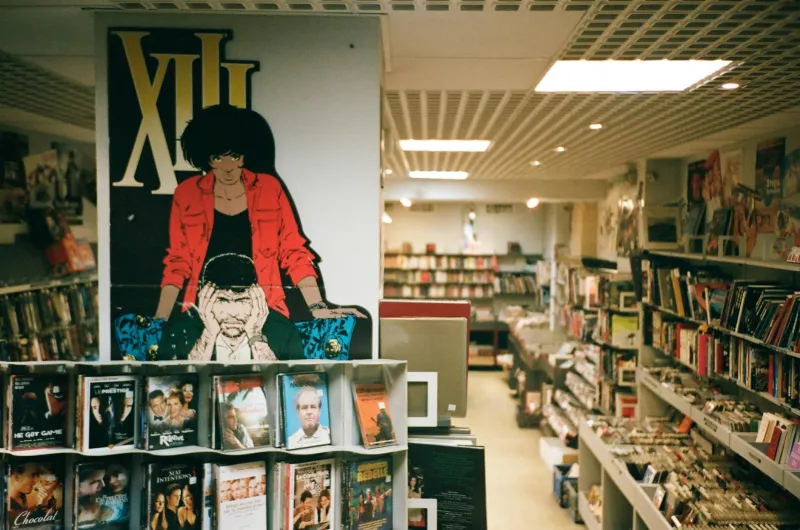
Retailers are beginning to notice. Several independent record shops have expanded their DVD sections specifically to cater to younger collectors, often positioning discs alongside vinyl records and vintage clothing to appeal to the broader retro aesthetic movement.
The Long View
Whether this VHS-to-DVD pipeline represents a sustainable trend or a temporary cultural moment remains to be seen. However, early indicators suggest these young collectors are developing genuine, lasting relationships with physical media rather than pursuing a passing fad.
Many report that owning films and TV shows has changed their viewing habits, encouraging deeper engagement with content and more thoughtful curation of their entertainment choices. If this behaviour persists, it could represent a significant cultural shift away from the disposable consumption model that has dominated the streaming era.
For Britain's DVD collecting community, the arrival of these VHS-inspired newcomers represents both opportunity and evolution. A new generation is discovering the joys of physical media ownership, bringing fresh energy and perspectives to a hobby that many assumed was in terminal decline.