The Ticking Clock of Television History
Somewhere in a climate-controlled vault beneath West London, the master tapes of 'A Very British Coup' are slowly deteriorating. This 1988 Channel 4 masterpiece—a prescient political thriller that predicted Brexit-era chaos with unsettling accuracy—exists in a legal and commercial no-man's land that threatens its very survival.
 Photo: West London, via www.arcgroup.io
It's not alone. Across Britain's broadcasting archives, dozens of critically acclaimed television productions from the 1980s, 1990s, and early 2000s remain trapped in a perfect storm of expired music rights, scattered ownership, and commercial indifference. These aren't forgotten failures—they're celebrated works that simply fell through the cracks of an industry that prioritised immediate profits over cultural preservation.
The Rights Labyrinth
The story of why these programmes remain unreleased reads like a bureaucratic thriller. Take 'GBH,' Alan Bleasdale's savage 1991 satire of Militant Tendency politics in Liverpool. Despite Robert Lindsay's career-defining performance and critical acclaim that included BAFTA nominations, the series has never received a proper DVD release.
The problem isn't lack of demand—it's the nightmare of music clearances that made sense in 1991 but became prohibitively expensive decades later. The series features dozens of period songs that were licensed for broadcast but not home video. Re-clearing these rights would cost more than any realistic sales projections could justify.
"It's heartbreaking," explains former Channel 4 acquisitions executive Patricia Morgan. "You've got genuinely important television drama that captured specific moments in British social history, but they're locked away because clearing a three-second music cue would cost £10,000."
The Vanishing Vault
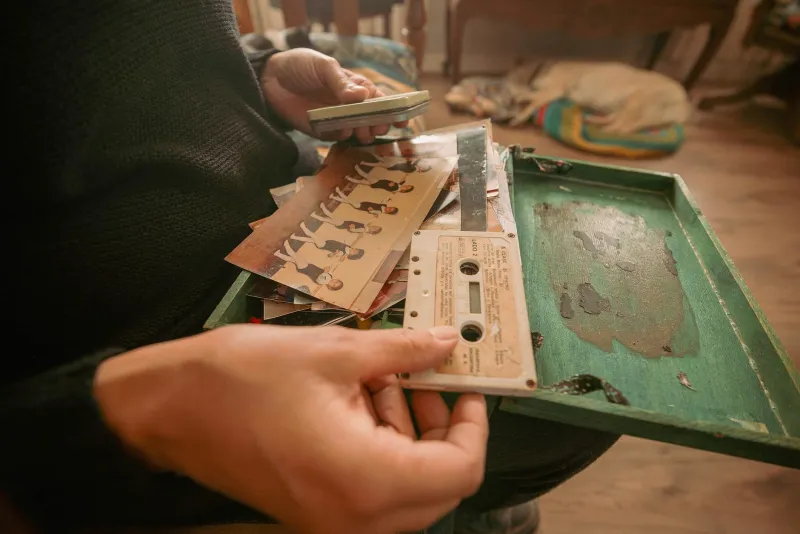
Time isn't on anyone's side. Magnetic tape—the medium that stored most 1980s and 1990s television—has a finite lifespan. Even under perfect storage conditions, analogue masters begin degrading after 30-40 years. Digital transfers made in the early 2000s often used compression standards that seem primitive by today's restoration capabilities.
'Between the Lines,' the gritty police corruption drama that ran from 1992-1994, exemplifies this crisis. The BBC holds complete masters, but they're stored on formats that require increasingly rare playback equipment. Every year that passes without proper digital preservation increases the risk that this intelligent, complex series will become unwatchable.
The irony cuts deep: programmes that cost millions to produce and attracted audiences of 8-10 million viewers now face extinction because spending £50,000 on restoration seems commercially unviable.
Champions of the Lost
Fortunately, a small but passionate community of campaigners refuses to let these treasures disappear quietly. The 'Forgotten Television Campaign'—a loose network of academics, critics, and collectors—has spent years lobbying broadcasters, distributors, and rights holders to prioritise preservation over profit.
Their successes provide hope. Persistent campaigning led to the eventual DVD release of 'Edge of Darkness' in 2003, and more recently, 'The Singing Detective' received a comprehensive restoration that preserved Dennis Potter's masterwork for future generations.
"We're not asking for commercial miracles," explains campaign organiser Dr. James Fletcher from the University of East Anglia. "We're asking for cultural responsibility. These programmes are part of Britain's artistic heritage. They deserve the same preservation priority as films or literature."
 Photo: University of East Anglia, via micaarchitects.com
The Streaming Mirage
Netflix and Amazon's deep pockets have raised hopes that streaming platforms might rescue these stranded classics. The reality proves more complex. Streaming services prioritise content that generates immediate subscriber growth—usually recent productions with international appeal.
'A Very British Coup' might be prophetically relevant to contemporary politics, but its dense political dialogue and specifically British cultural references make it a tough sell for global audiences. Streaming algorithms favour content that translates easily across markets, not challenging domestic drama that requires cultural context.
This commercial logic creates a preservation paradox: the more specifically British and culturally important a programme becomes, the less likely it is to receive modern distribution.
The Collector's Cavalry
Britain's DVD collecting community has become an unlikely preservation force. Collectors who recorded programmes off-air during original broadcasts now possess the only surviving copies of certain episodes or versions.
The fan-led restoration of 'Boys from the Blackstuff' relied heavily on collector-held recordings when official masters proved inadequate. Similarly, the recent 'Pennies from Heaven' reissue incorporated footage from private collections to replace damaged archive material.
"Collectors aren't just hobbyists anymore," notes restoration specialist Mark Thompson. "They're cultural custodians preserving material that official archives have neglected or lost. Without their dedication, some of these programmes would already be gone forever."
A Rescue Blueprint
Successful releases like Network's restoration of 'Public Eye' or Simply Media's 'Callan' collections prove that niche audiences will support quality releases of classic British television. These boutique distributors operate on realistic budgets, accepting modest sales figures that major studios would consider failures.
The formula works: identify programmes with devoted followings, secure rights at reasonable costs, and produce limited runs for collectors who prioritise content over packaging. It's not glamorous, but it's sustainable—and it's saving television history one series at a time.
The Cultural Imperative
These aren't just entertainment products—they're historical documents that capture how Britain understood itself during crucial decades. 'GBH' illuminates 1990s political tensions that shaped contemporary politics. 'Between the Lines' explores police corruption themes that remain depressingly relevant. 'A Very British Coup' predicted political upheavals that seem ripped from today's headlines.
Future historians studying late 20th-century Britain will need access to these programmes. Film schools teaching television drama require complete archives of significant works. Cultural critics analysing British social attitudes need primary sources, not fragmented clips on YouTube.
Racing Against Time
Every month brings news of another archive emergency—masters discovered damaged, rights holders going out of business, original creators passing away without clarifying ownership. The window for preserving these works is closing rapidly.
Britain's broadcasting institutions must recognise that cultural preservation isn't just about immediate profit—it's about maintaining access to our artistic heritage. These programmes shaped how generations of Britons understood their world. They deserve better than slow death in forgotten archives.
The solution requires coordinated effort: broadcasters acknowledging preservation responsibilities, distributors accepting modest profit margins, and collectors supporting releases that prioritise cultural value over commercial appeal. It's an ambitious agenda, but the alternative—losing irreplaceable works of British television forever—is simply unacceptable.
The clock is ticking, but there's still time to act. The question is whether we'll choose preservation over profit before it's too late.