Decades of Dedication: A British Collector's Journey Through Every Home Video Era
Every serious collector has that moment when they realise their hobby isn't just about watching films—it's about preserving history. For British home video enthusiasts, that history is particularly rich, marked by format wars, regional peculiarities, and the occasional triumph of backing the right horse at exactly the right moment.
Let's take a proper journey through the decades, examining not just what formats emerged, but how they specifically shaped the collecting landscape here in the UK.
The Late 70s and Early 80s: When Britain Chose Sides
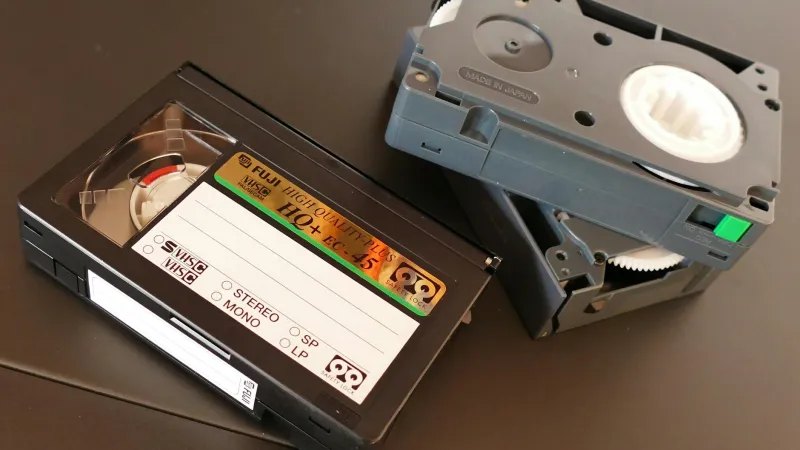
The story begins with a choice that would define a generation of collectors: Betamax or VHS? Whilst Sony's Betamax offered superior picture quality, JVC's VHS format had longer recording times and crucially, better industry support. In Britain, this wasn't just a technical decision—it was cultural.
By 1981, rental shops across the UK had largely committed to VHS, making it the de facto standard. What's fascinating for today's collectors is how this early format war created distinct collecting niches that persist today. Beta collectors remain a passionate, if small, community, and original Beta releases of British films like Chariots of Fire or early Doctor Who compilations command premium prices.
The PAL vs NTSC divide also began here, creating a uniquely British collecting challenge. Whilst American collectors could import Japanese releases relatively easily, UK enthusiasts had to navigate different television standards—a complexity that would follow us through every subsequent format.
The LaserDisc Interlude: Britain's Boutique Format
LaserDisc never achieved mainstream success in the UK, but that's precisely what makes it so compelling for collectors today. Released here in 1982, LaserDisc was always positioned as a premium format, with players costing upwards of £500—serious money in those days.
What LaserDisc did achieve was establishing the template for special editions. Commentary tracks, deleted scenes, and behind-the-scenes documentaries all started here. For British collectors, LaserDisc represented something aspirational: owning the definitive version of a film.
Today, UK LaserDisc collecting is surprisingly robust. Criterion releases, Disney classics, and British films like A Fish Called Wanda or Four Weddings and a Funeral in their original LaserDisc editions have become genuine collectibles. The challenge? Finding working players. Pioneer stopped manufacturing LaserDisc players in 2009, making maintenance and repair a specialist skill.
DVD's Golden Age: When Britain Finally Got Its Due
DVD's arrival in 1997 marked a watershed moment for British collectors. For the first time, we weren't second-class citizens in the home video world. The region coding system meant Region 2 releases were specifically tailored for the UK and European markets, often with superior transfers and extras compared to their Region 1 counterparts.
This era saw the rise of specialist UK distributors who understood collectors' needs. Companies like Anchor Bay, Tartan Video, and later Arrow Films began producing limited editions that rivalled anything coming from America. The Hammer Horror collections, comprehensive Carry On box sets, and definitive releases of British television series transformed DVD collecting from hobby to obsession.
The format also democratised film preservation. Suddenly, obscure British films that had been unavailable for decades were receiving pristine digital transfers. Collectors could finally own definitive versions of everything from Withnail and I to complete runs of The Prisoner.
Blu-ray: High Definition, Higher Stakes
Blu-ray's 2006 launch in the UK came with lessons learned from previous format wars. Sony ensured broader industry support, and crucially, convinced major retailers like HMV and ASDA to back the format from day one.
For collectors, Blu-ray represented the first time picture quality genuinely mattered more than convenience. The difference between DVD and Blu-ray was immediately apparent on the large HD televisions becoming common in British homes. This drove a fascinating collecting phenomenon: the "double dip."
Suddenly, collectors found themselves rebuying favourite films they already owned on DVD. British distributors capitalised on this, with companies like Second Sight and Eureka Entertainment producing stunning special editions that made the upgrade irresistible.
The format also coincided with a golden age of British film restoration. The BFI began releasing meticulously restored classics, whilst boutique labels tackled everything from Hammer Horror to obscure 60s kitchen sink dramas.
4K Ultra HD: The Current Frontier
UHD Blu-ray's arrival in 2016 initially seemed like another expensive upgrade cycle. However, the format has proven surprisingly collector-friendly, with HDR (High Dynamic Range) providing visible improvements even on smaller screens.
British collectors have embraced 4K UHD enthusiastically, particularly for catalogue releases. Seeing Lawrence of Arabia or 2001: A Space Odyssey in 4K HDR on a decent display is genuinely transformative. The format has also enabled previously impossible releases—films shot on 65mm or Super Panavision can finally be presented in something approaching their original glory.
The challenge for UK collectors remains regional availability. Many 4K releases are still US-only, forcing collectors into expensive importing or region-free players.
What's Worth Collecting Today?
For new collectors entering the market, the question isn't which format to collect—it's which formats deserve space in a modern collection.
VHS remains compelling for horror fans and completists. Original rental copies of British films, particularly pre-cert horror titles, command serious money.
LaserDisc is worth exploring if you can secure a working player. The format's commentary tracks and supplements remain unmatched on many titles.
DVD collecting focuses increasingly on out-of-print releases and region-exclusive content. Many British television series never made the jump to Blu-ray, making DVD the definitive format.
Blu-ray offers the sweet spot of quality and availability. Limited editions from UK boutique labels represent some of the finest physical media ever produced.
4K UHD is rapidly becoming essential for serious collectors, particularly for films shot on large formats.
The Eternal Format War
Every format transition teaches the same lesson: there's no such thing as future-proofing. Today's cutting-edge technology becomes tomorrow's vintage curiosity. The collectors who thrive are those who embrace this cycle rather than resist it.
In Britain, we've been through every format war, weathered every technological shift, and somehow emerged with deeper appreciation for physical media. That's the real collector's journey—not just accumulating discs, but understanding the history they represent.
Whether you're hunting for rare Betamax releases in Birmingham car boot sales or pre-ordering the latest 4K restoration from Arrow Video, you're part of a continuous tradition of British collectors who understand that format doesn't matter—passion does.