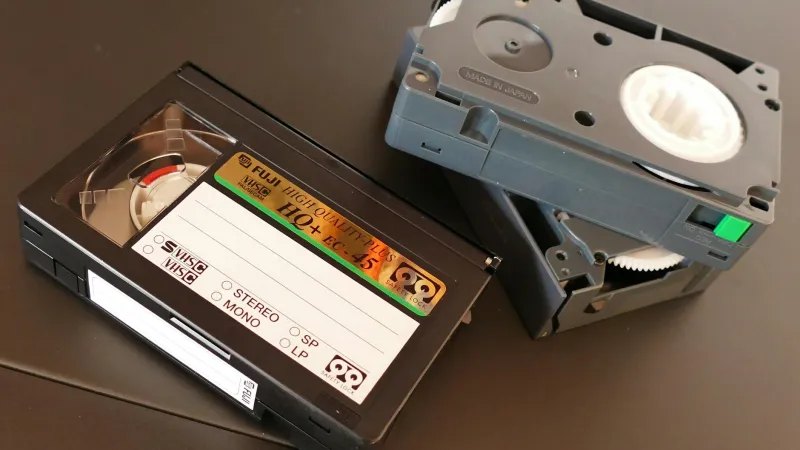
Beyond the Cinema Screen: The Collector's Guide to Definitive Director's Visions on DVD
Walk into any British cinema, and you'll witness a carefully orchestrated compromise. What unfolds on screen represents a delicate balance between artistic vision, studio demands, runtime constraints, and commercial considerations. But venture into the realm of physical media collecting, and you'll discover an entirely different universe—one where filmmakers' true intentions live and breathe in their most complete form.
The Art of the Extended Vision
The phenomenon of director's cuts and extended editions has transformed from novelty marketing ploy into essential collecting territory. Take Ridley Scott, arguably Britain's most revision-happy director, whose films have spawned more alternate versions than a Choose Your Own Adventure novel. His 1982 masterpiece Blade Runner alone boasts seven distinct cuts, with the 2007 "Final Cut" representing Scott's definitive vision—a version that exists in its truest form on specific DVD and Blu-ray pressings.
But here's where it gets interesting for collectors: not all "director's cuts" are created equal. The term has become so diluted by marketing departments that distinguishing genuine artistic statements from cynical cash grabs requires detective work worthy of Philip Marlowe himself.
Separating Wheat from Chaff: Genuine vs Marketing-Driven Cuts
Authentic director's cuts typically emerge from one of several scenarios: studio interference during original production, technological limitations of the era, or simply the filmmaker's evolved perspective on their work. Peter Jackson's Lord of the Rings extended editions exemplify this perfectly—these aren't padded versions designed to sell more discs, but Jackson's preferred narrative rhythm, restored to its intended pacing.
Conversely, films like Daredevil or Kingdom of Heaven received director's cuts primarily to rehabilitate critically maligned theatrical releases. Whilst these often improve upon their cinema counterparts, they represent damage control rather than pure artistic vision.
The savvy collector learns to spot the difference through research, release timing, and filmmaker interviews. Genuine cuts typically arrive years after initial release, accompanied by extensive filmmaker commentary explaining the restoration process.
The British Connection: Regional Treasures
UK collectors enjoy unique advantages in this hunt. Region 2 DVD releases often contain different supplemental materials than their American counterparts, sometimes including cuts unavailable elsewhere. The 2003 Region 2 release of Once Upon a Time in America contains Sergio Leone's complete 251-minute version—a holy grail for collectors that predates more widely available restorations by years.
Moreover, British distributors like Artificial Eye, Arrow Video, and Eureka Entertainment have built reputations on meticulous restorations and definitive editions. These boutique labels understand collector mentality, often including multiple cuts within single releases alongside comprehensive supplemental materials.
Essential Extended Editions Every Collector Needs
Certain director's cuts have achieved legendary status amongst collectors. Terrence Malick's The New World exists in three distinct versions, with the 172-minute cut representing his most complete vision. James Cameron's Aliens Special Edition adds 17 minutes of crucial character development that transforms the entire viewing experience.
For British collectors specifically, seek out the 2005 Optimum Releasing edition of Pat Garrett & Billy the Kid, containing Sam Peckinpah's preview version—a cut that remained commercially unavailable for decades. Similarly, the Region 2 Brazil "Love Conquers All" edition provides Terry Gilliam's nightmare scenario: his masterpiece butchered by studio interference, preserved as cautionary tale.
The Hunt: Identifying Definitive Pressings
Not all pressings containing director's cuts are equal. Early DVD releases sometimes featured compromised transfers or incomplete restorations later superseded by superior editions. The key lies in researching specific pressing details: catalogue numbers, distributor information, and release dates.
Utilise resources like DVD Beaver for technical specifications and collector forums for pressing comparisons. Often, the first pressing containing a restored cut isn't the best—later releases benefit from improved mastering techniques and additional restoration work.
Future-Proofing Your Collection
Streaming services, despite their convenience, remain unreliable custodians of extended cuts. Licensing agreements, storage costs, and bandwidth limitations mean these longer versions frequently disappear without notice. Physical media provides the only guarantee of permanent access to these definitive versions.
Moreover, streaming compression often compromises the visual quality essential to appreciating restored footage. The grain structure in Lawrence of Arabia's restored sequences, for instance, requires the uncompressed presentation only physical media provides.
The Collector's Responsibility
As streaming dominance grows, collectors become custodians of cinema history. These extended cuts represent not merely entertainment, but cultural artifacts documenting artistic evolution and industry politics. By seeking out and preserving definitive editions, collectors ensure future generations can experience films as their creators intended.
The hunt for genuine director's cuts requires patience, research, and occasionally significant investment. But for true film enthusiasts, discovering a filmmaker's complete vision—unmarred by commercial compromise—justifies every hour spent researching pressings and every pound invested in definitive editions.
In an age of algorithm-curated viewing, the director's cut represents something increasingly rare: uncompromised artistic expression. And in the UK's thriving collector community, these treasures find their most appreciative audience.