Before the Menu: The DVD Warnings That Scared Britain Straight
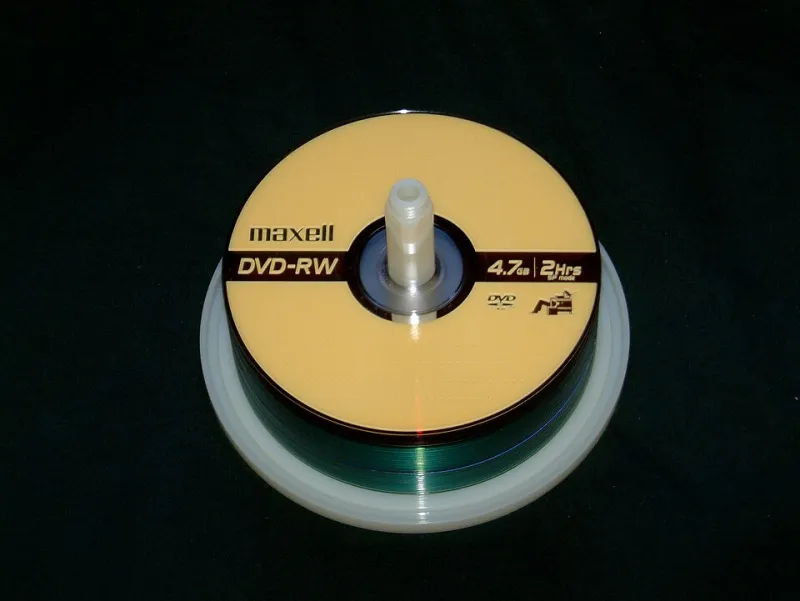
Photo: WAvegetarian (Connor Lee), CC BY-SA 3.0, via Wikimedia Commons
The bit before the film
There was a time, not so long ago, when putting a DVD into a player in Britain meant submitting to a short, stern lecture. You had paid for the disc. You had carried it home from HMV or ordered it from a catalogue. And yet, before you were allowed anywhere near the menu, a voice would inform you that piracy was a crime and that you, personally, were part of the problem.
For collectors of a certain age, those warnings are now part of the format’s texture. They are the DVD equivalent of the adverts before a VHS rental: annoying at the time, oddly comforting in retrospect. And some of them were so heavy-handed, so bizarrely memorable, that they have outlived the discs they were attached to.
The ranking
1. You Wouldn’t Steal a Car
The undisputed champion. The campaign that told us we wouldn’t steal a car, a handbag, a television, or a movie, and then compared downloading a film to driving off in someone else’s hatchback. The logic was wonky. The imagery was dramatic. The voiceover was pure public information film. And because it seemed to appear on every other UK disc in the mid-2000s, it became a shared cultural memory.
It is also the one that aged most strangely. The internet turned it into a meme. Collectors now quote it at each other. A warning designed to make piracy feel grubby ended up feeling like a badge of honour for a generation raised on burned discs and borrowed box sets.
2. The FACT warning
The Federation Against Copyright Theft meant business. Or at least, it meant blue lights, tense music and a stern narrator. The FACT ads had a distinctly British flavour: less Hollywood glamour, more regional news investigation. They implied that somewhere out there, a man in a van was copying EastEnders and ruining the industry.
What made them stick was the repetition. If you bought a lot of UK DVDs, you saw that logo more often than some members of your own family. It became a familiar gatekeeper: the price of entry to the menu.
3. The ‘Piracy is a crime’ sting
Some discs went for the direct approach. No metaphor. No car. Just a warning that piracy was a crime, delivered with the gravity of a sentencing. These were often shorter, but no less stern. They had the tone of a teacher who had been told to make an example of the whole class.
The best ones had a slightly surreal quality, as if the voiceover artist had been asked to sound both disappointed and threatening. You half expected a policeman to step out of the disc tray.
4. The ‘Thank you for buying this DVD’ message
Not a warning, exactly, but the flipside of the anti-piracy campaign. A polite title card thanking you for purchasing the disc legally. It was almost more unsettling than the threats. Why did they need to thank us? What had we done? Did they know about the boot sale copy of The Matrix in the cupboard?
These messages were brief, but they added to the sense that the DVD was a controlled experience. You were being watched, even in your own living room.
Why they linger
The obvious answer is repetition. When you hear the same thirty-second advert before every film, it burrows into your brain. But there is more to it than that. The anti-piracy ads arrived at a specific moment in British home entertainment, when DVD was booming and the industry was terrified of the internet. They were a last gasp of gatekeeping before streaming made the whole argument moot.
They also had a strange innocence. The idea that copying a film was the same as stealing a car now feels almost quaint. The campaign assumed a clear line between legal and illegal that most viewers had already stopped thinking about. It was a moral panic dressed up as a public service announcement.
Part of the charm?
For collectors, the warnings have become artifacts. A UK disc with the full unskippable sequence feels more authentic than a later reissue that has quietly removed it. It is a reminder of the era when a DVD was a physical object with its own rituals: the tray, the menu, the trailers, the threats.
That does not mean we miss being unable to skip them. It means we recognise them as part of the history of the format. They are the adverts that made Britain’s DVDs feel like a cautionary tale, and somehow, against all odds, they became part of the story we now collect.